|
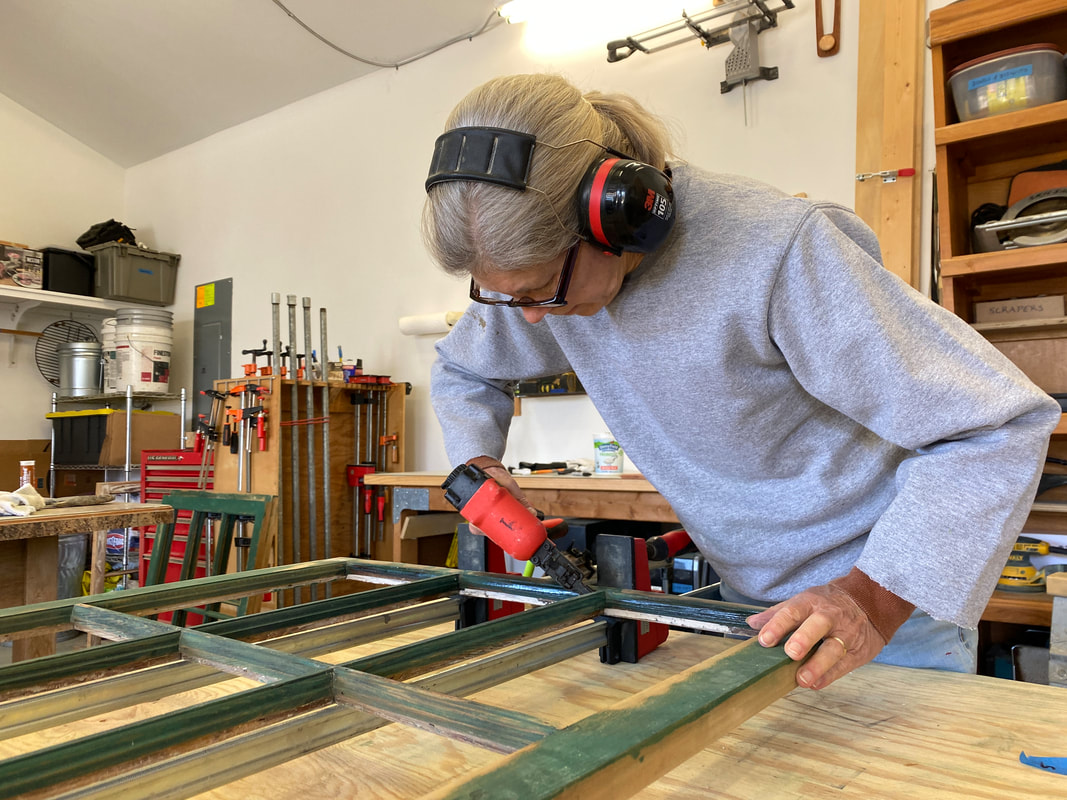
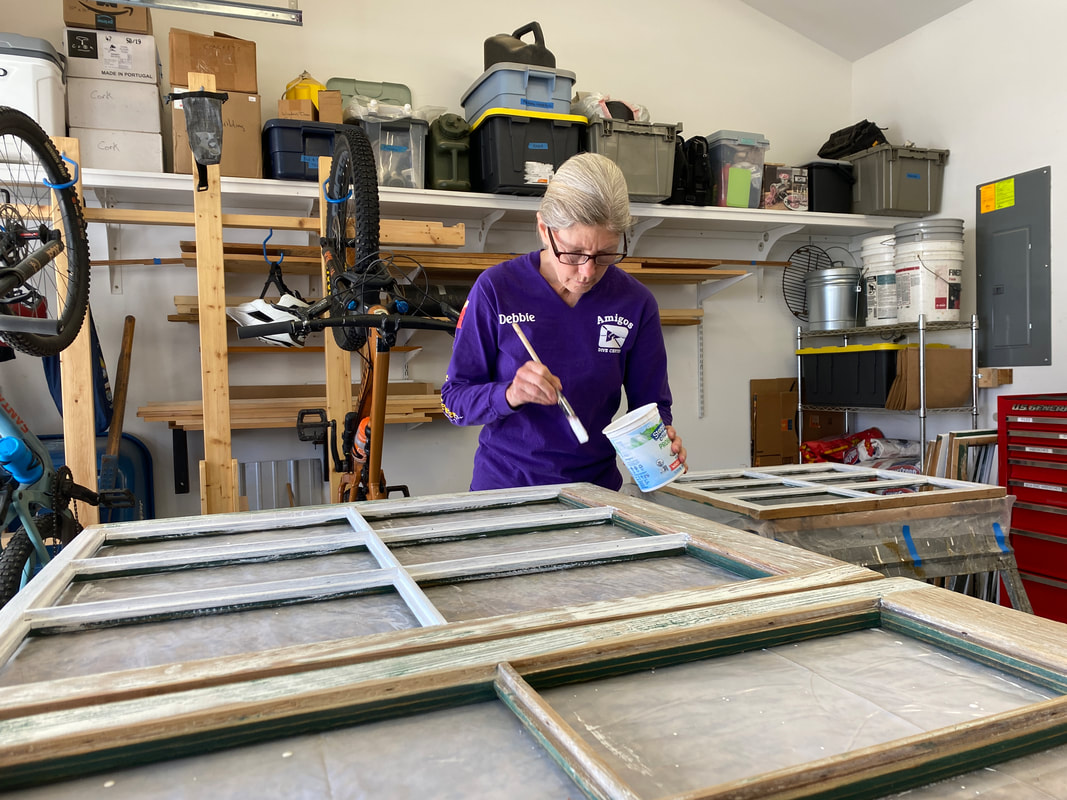
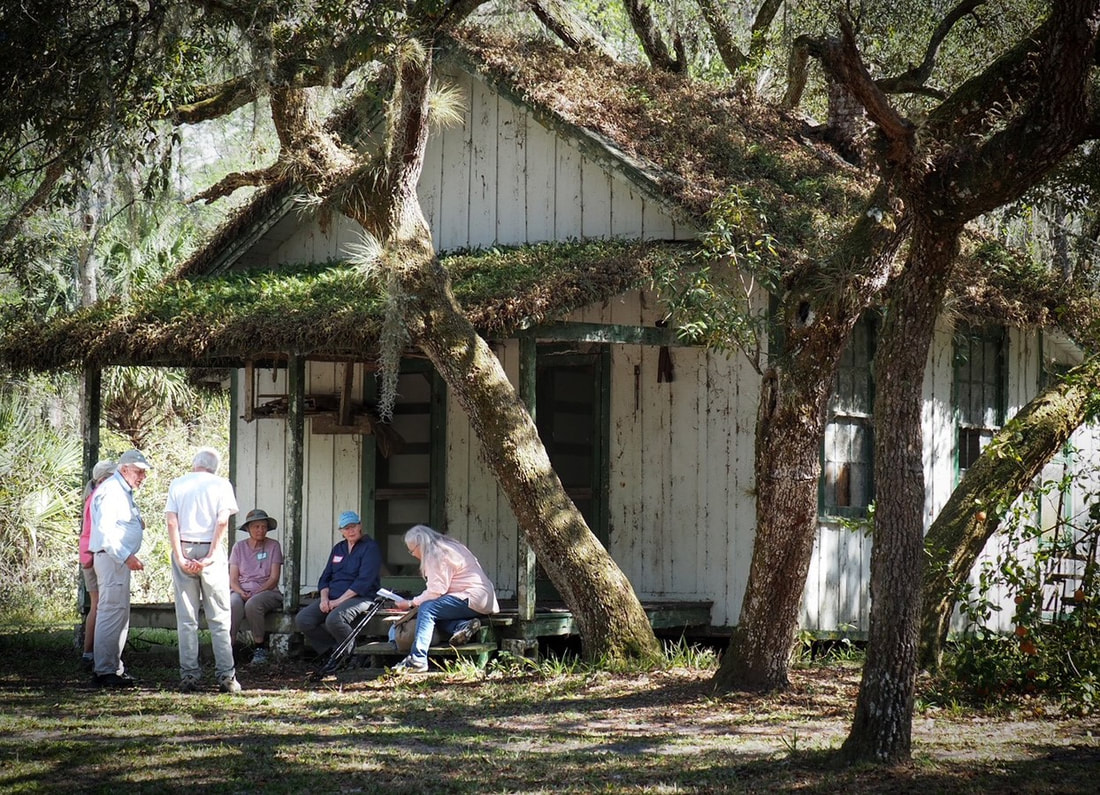
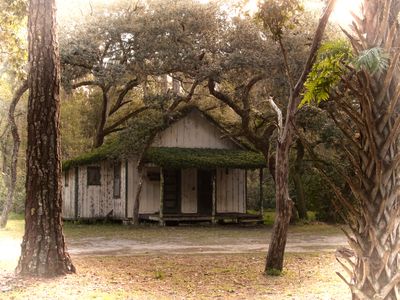
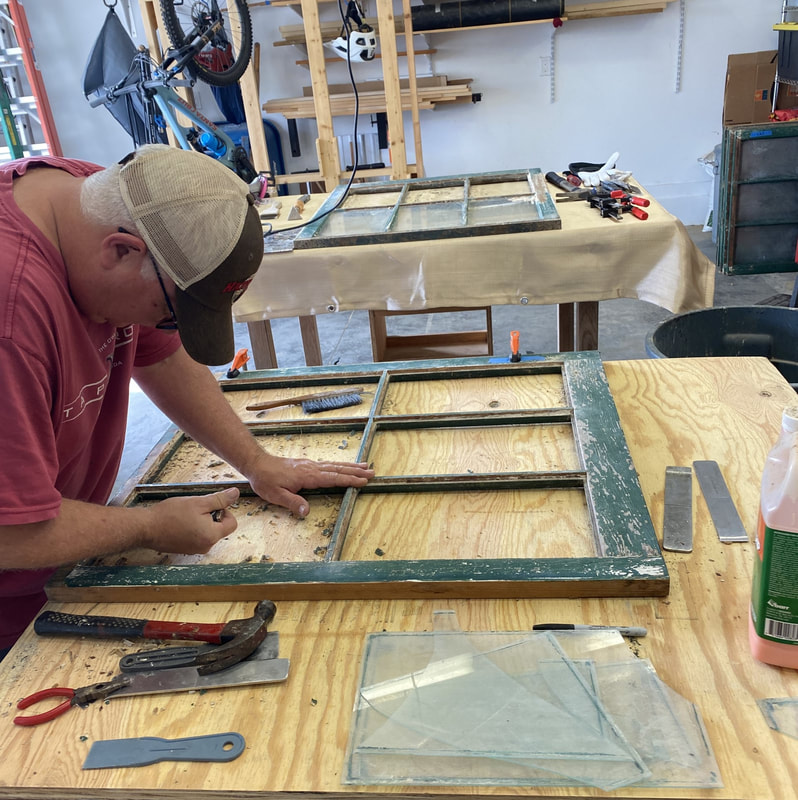
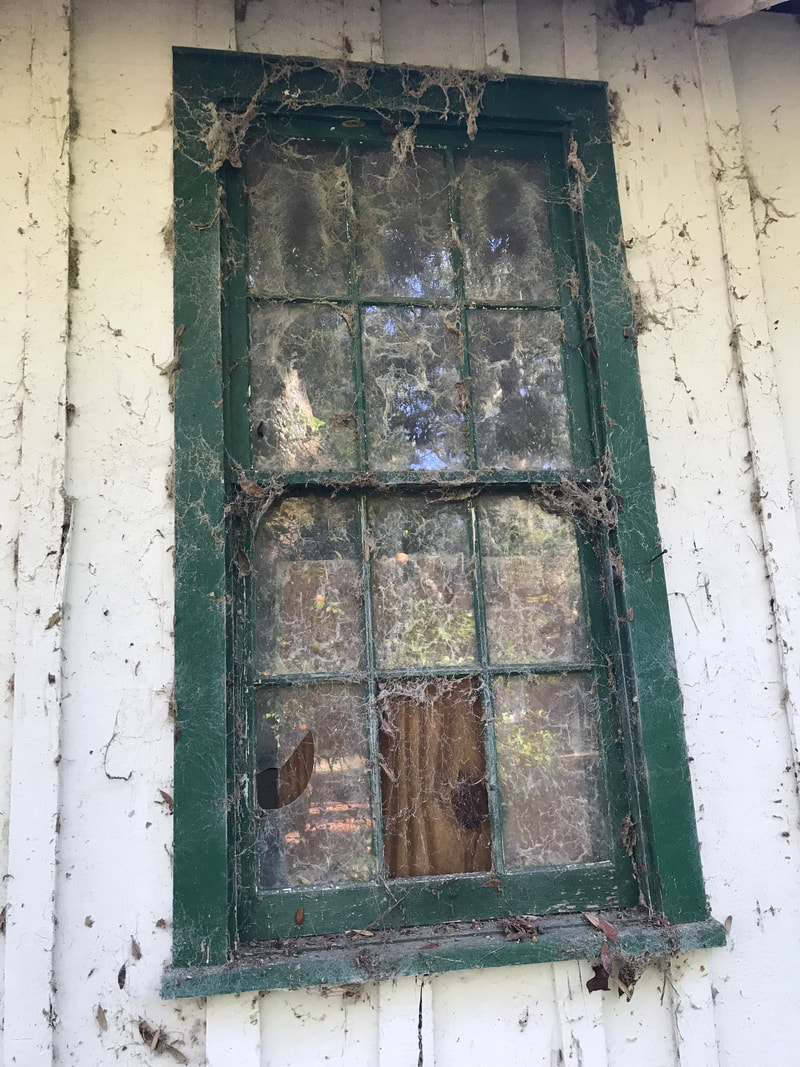
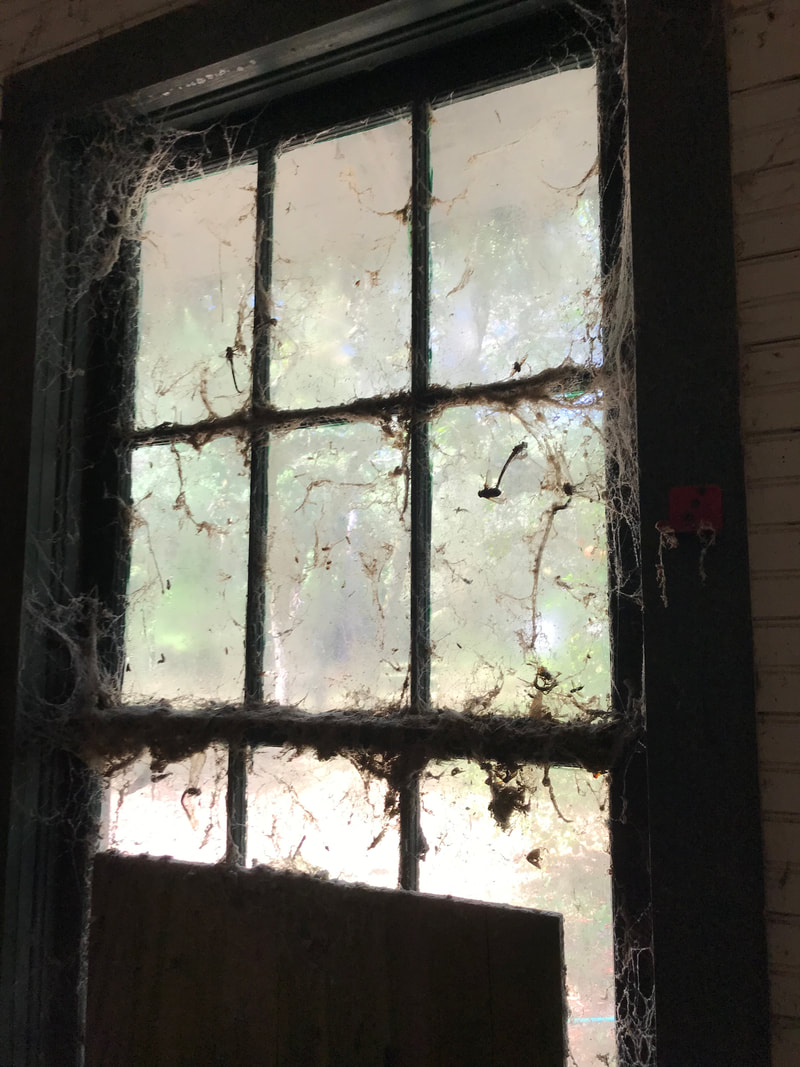
The February News Brief and a blog post described plans for the Vista Pollinator Garden project led by Barbara Woodmansee. Several folks volunteered to help build it out. Subsequently, Barbara and Refuge Manager Andrew Gude decided to postpone getting and spreading fresh, good soil until fall. In the fall, larger plants that require less watering can be planted and the soil will have less time to become seeded with weeds before the plants take over the space. Project leaders will stay in touch with the volunteers. Friends has an active Request for Proposals for contractors interested in working on the Cook's House roof and other items. Additionally, former president Debbie Meeks and her crew of volunteer expert carpenters are working on restoring the Cook's House windows to their historic beauty and utility.
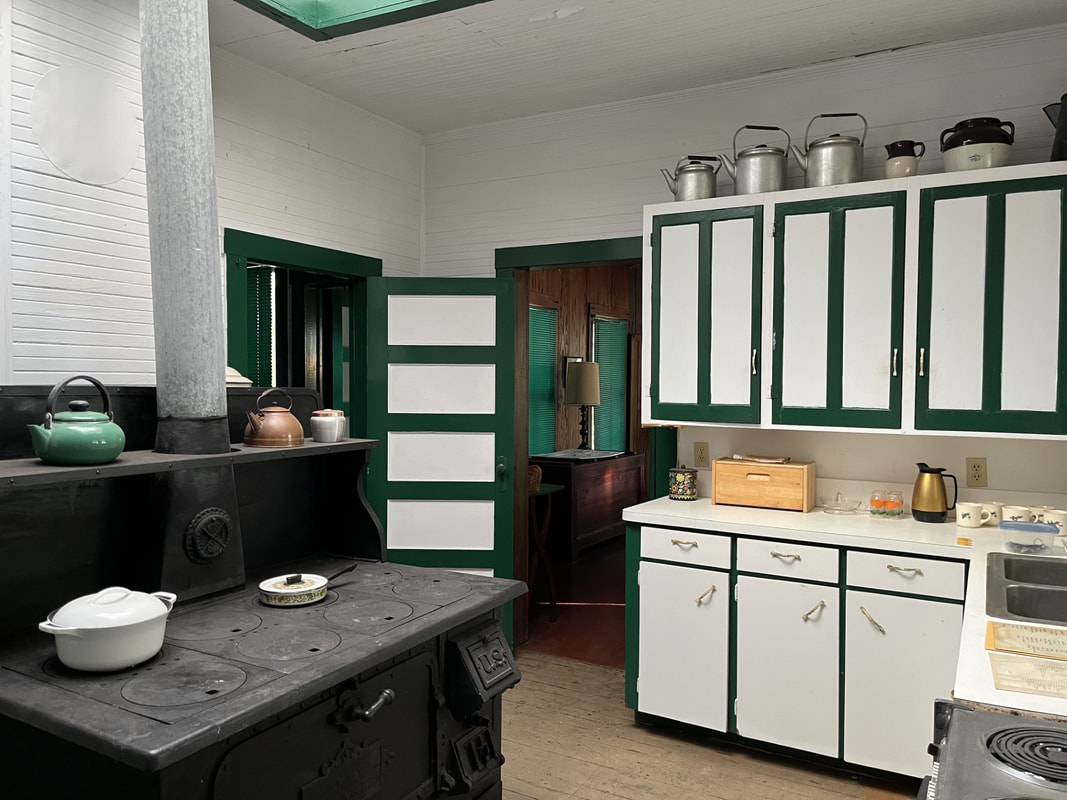
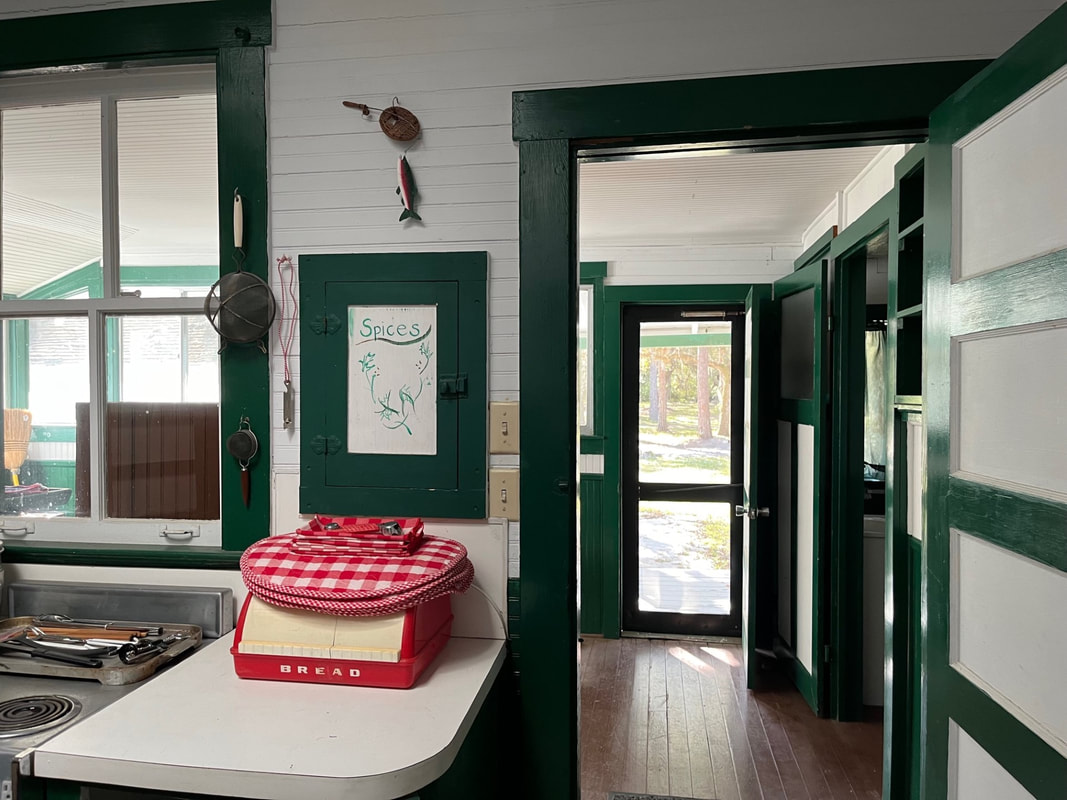
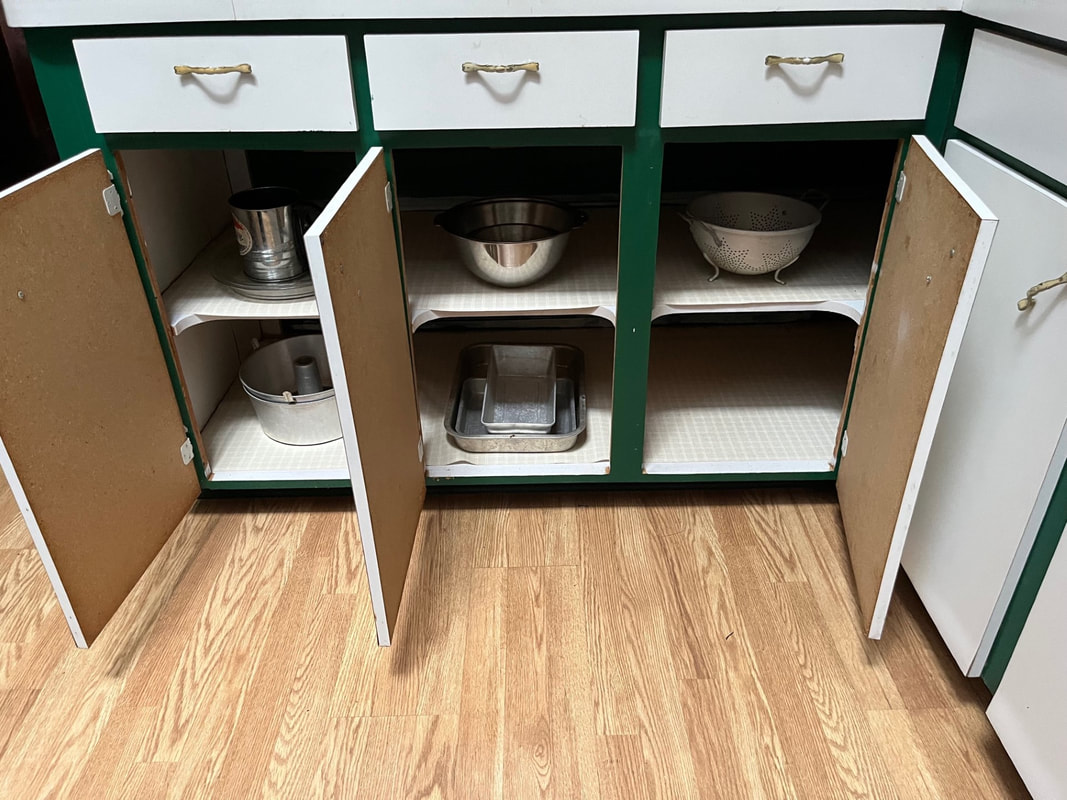
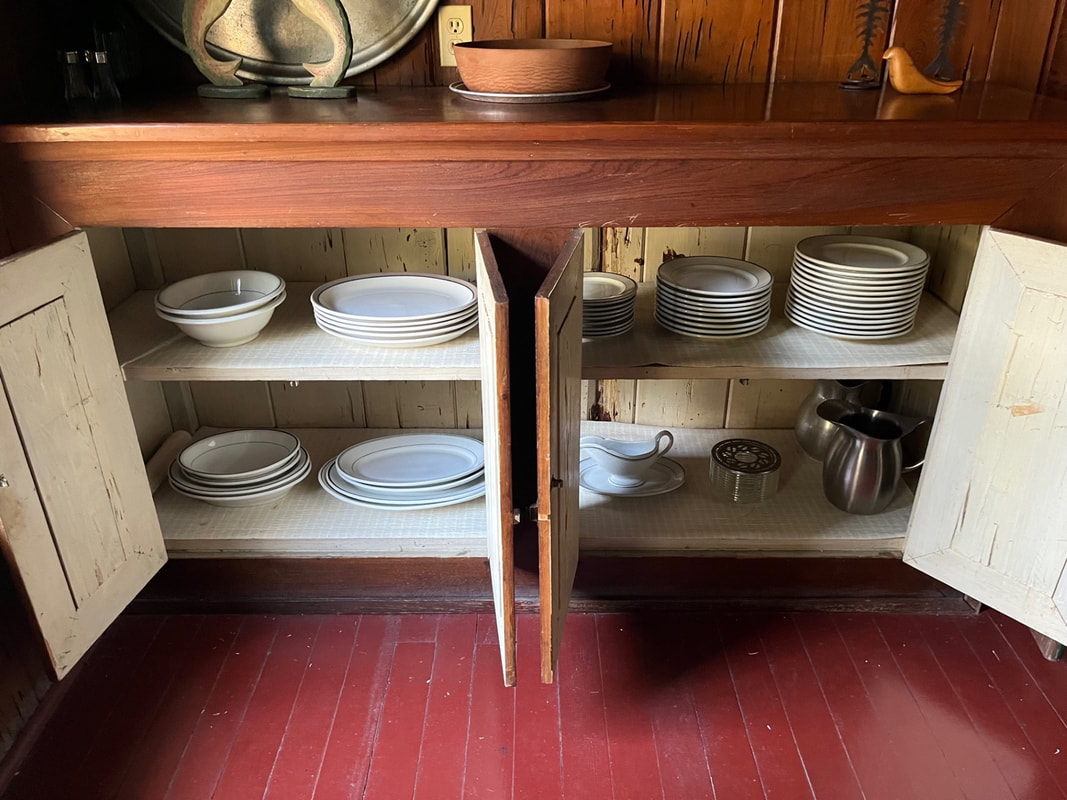
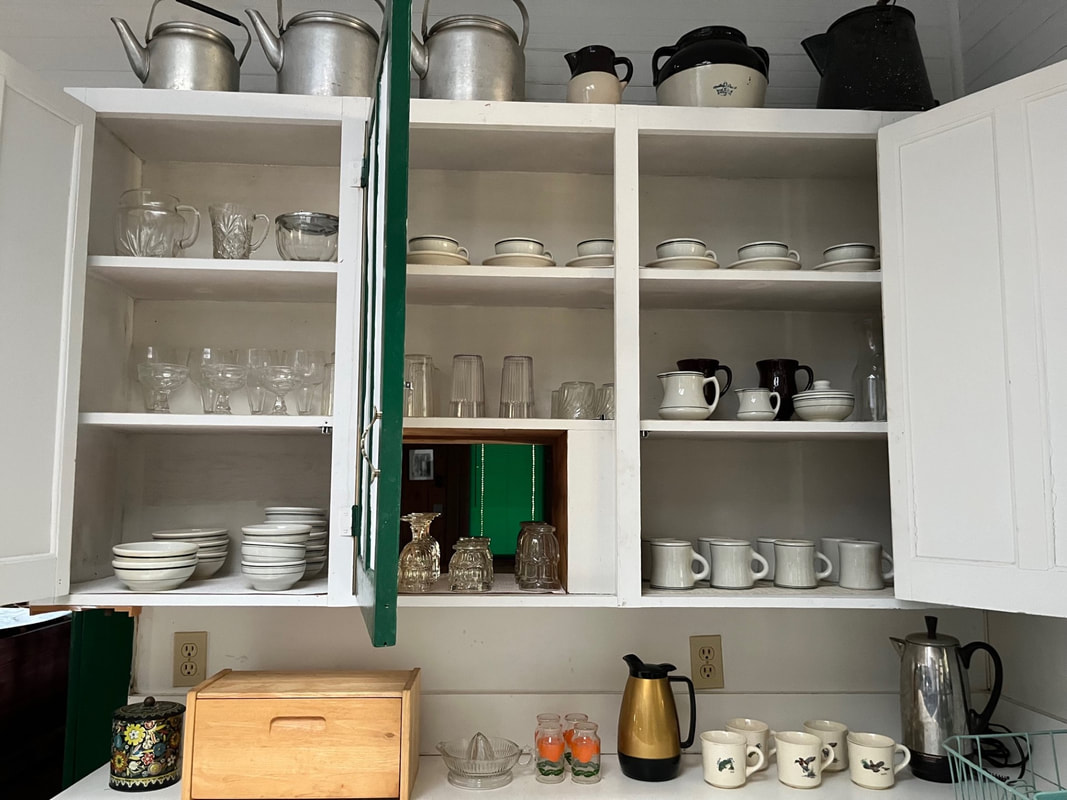
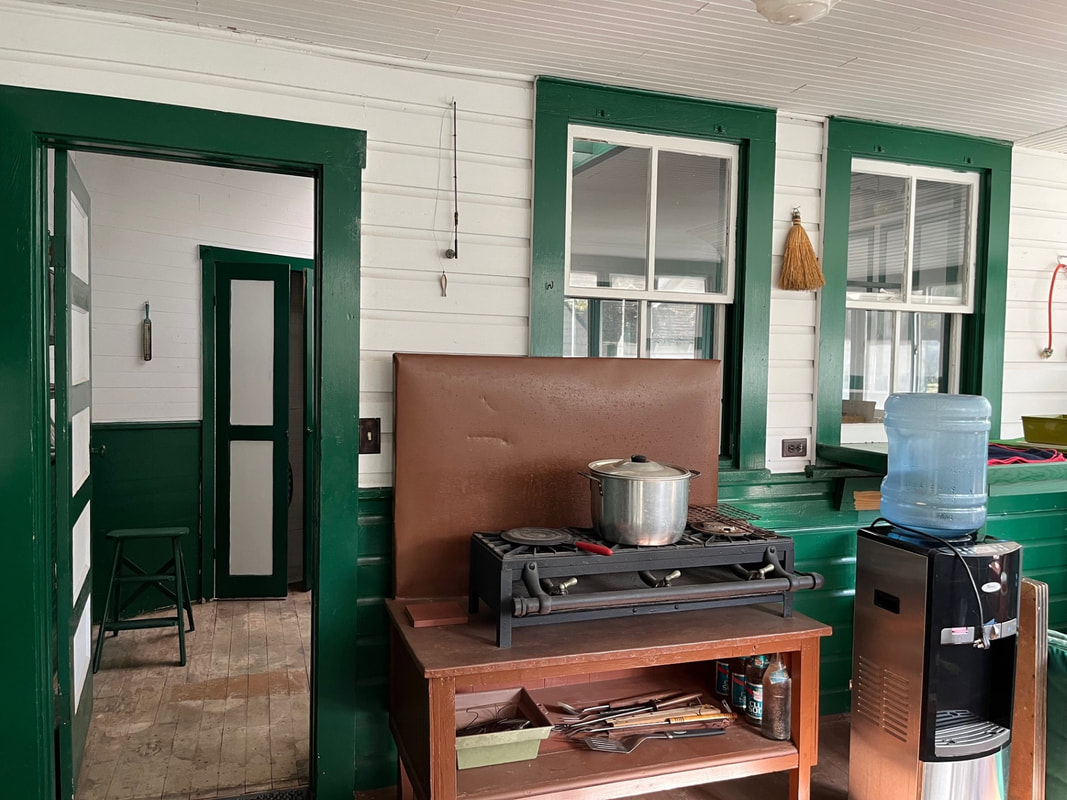
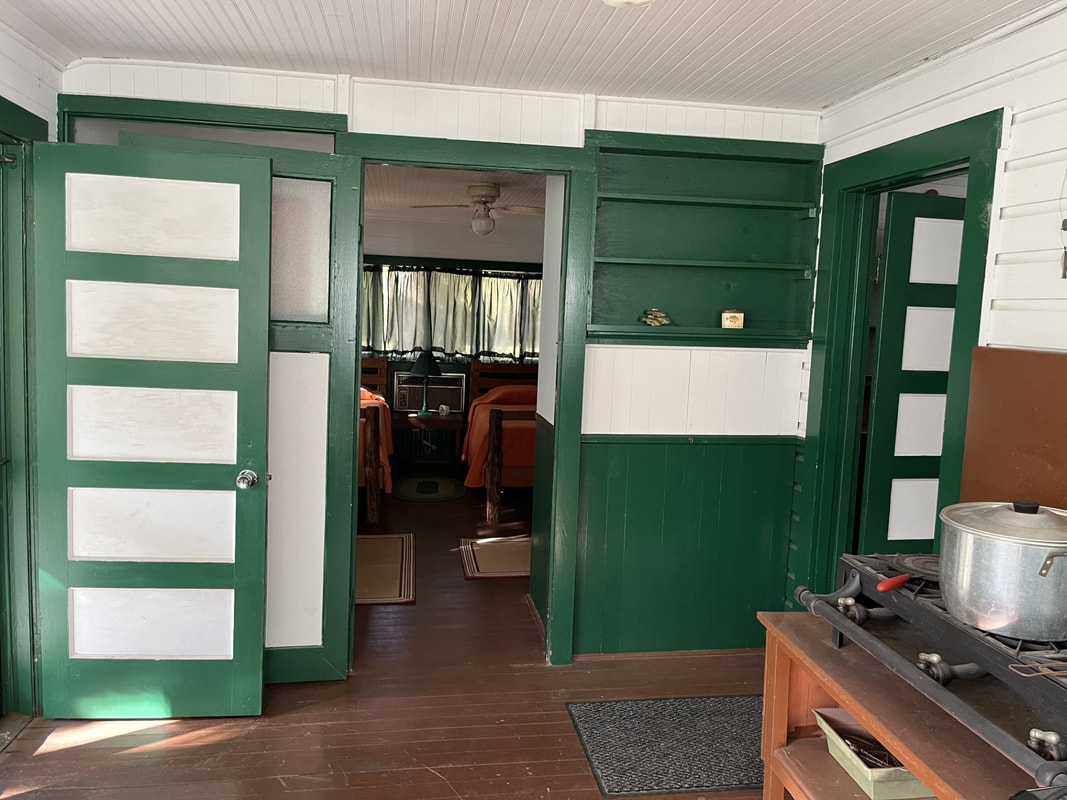
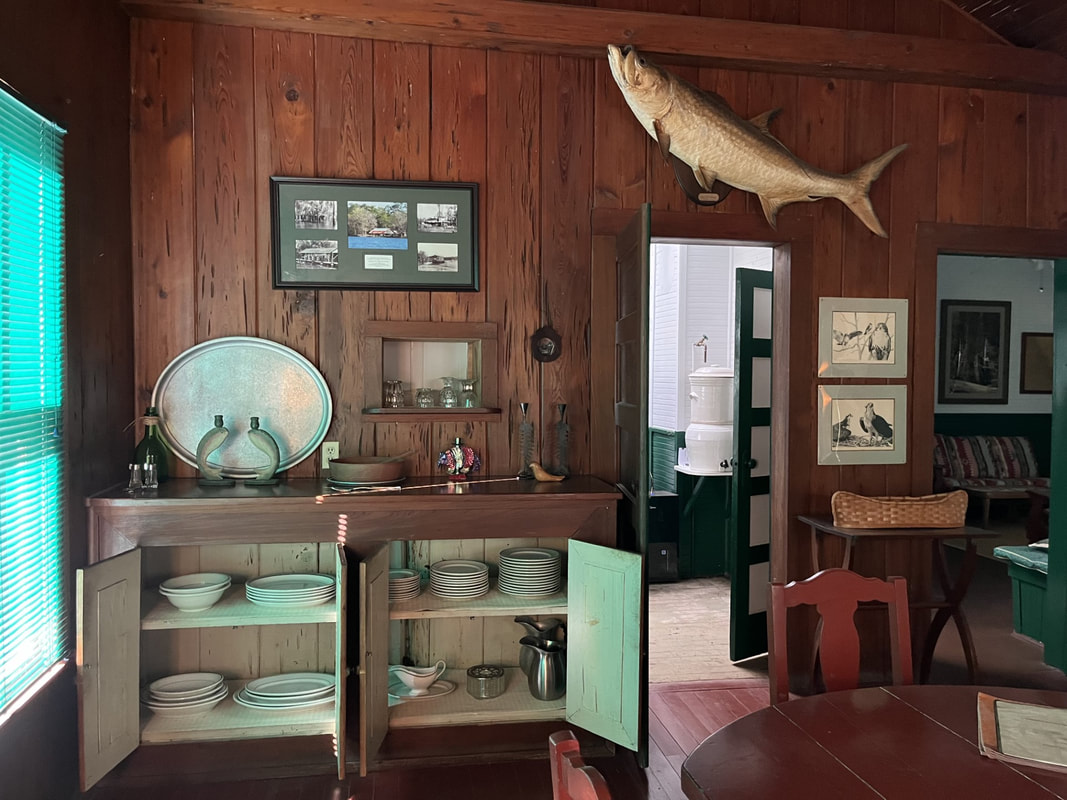
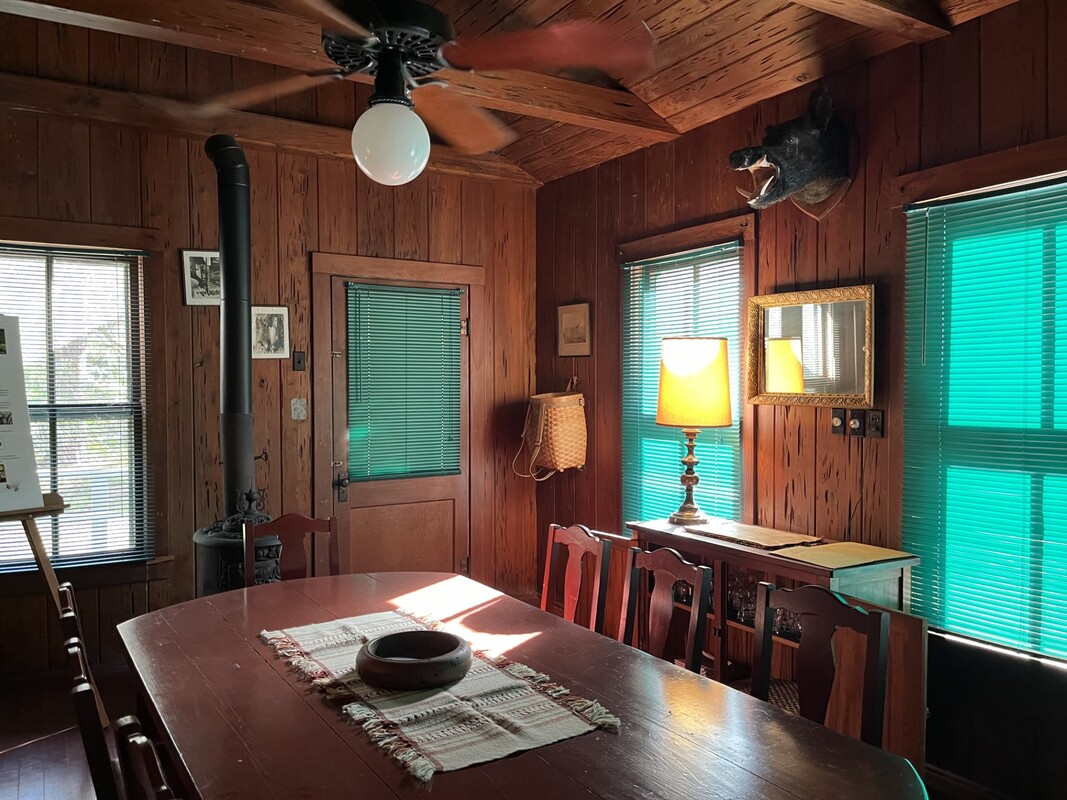
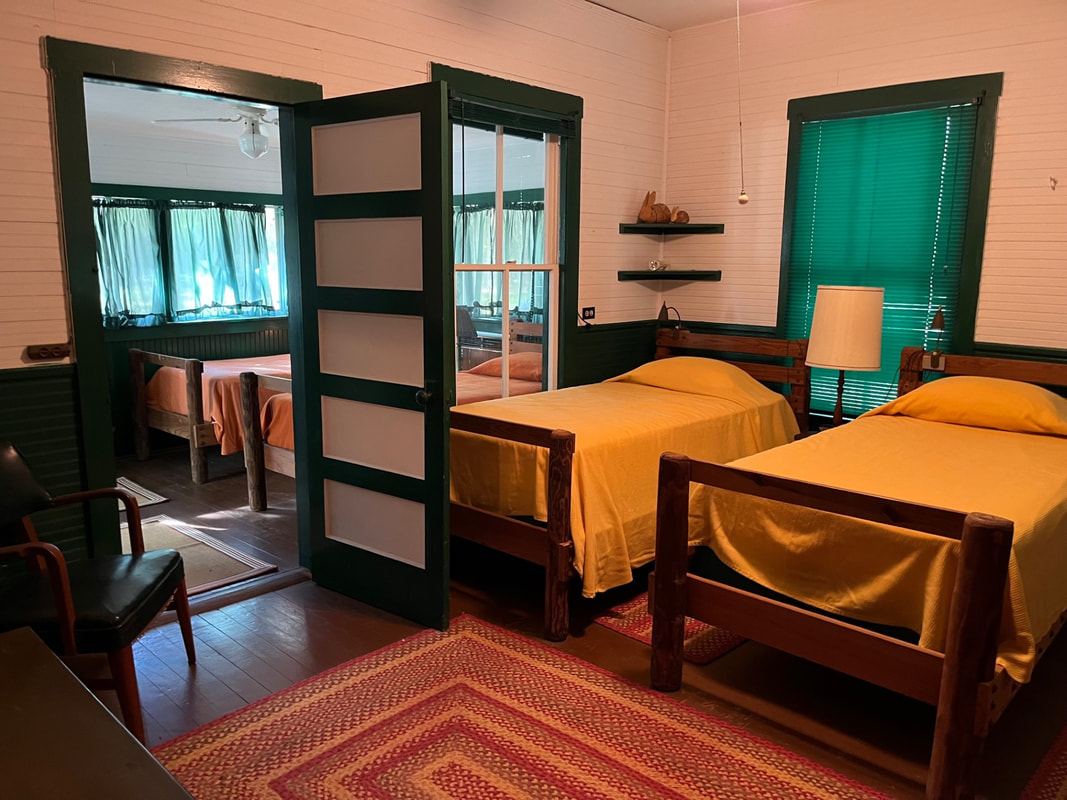
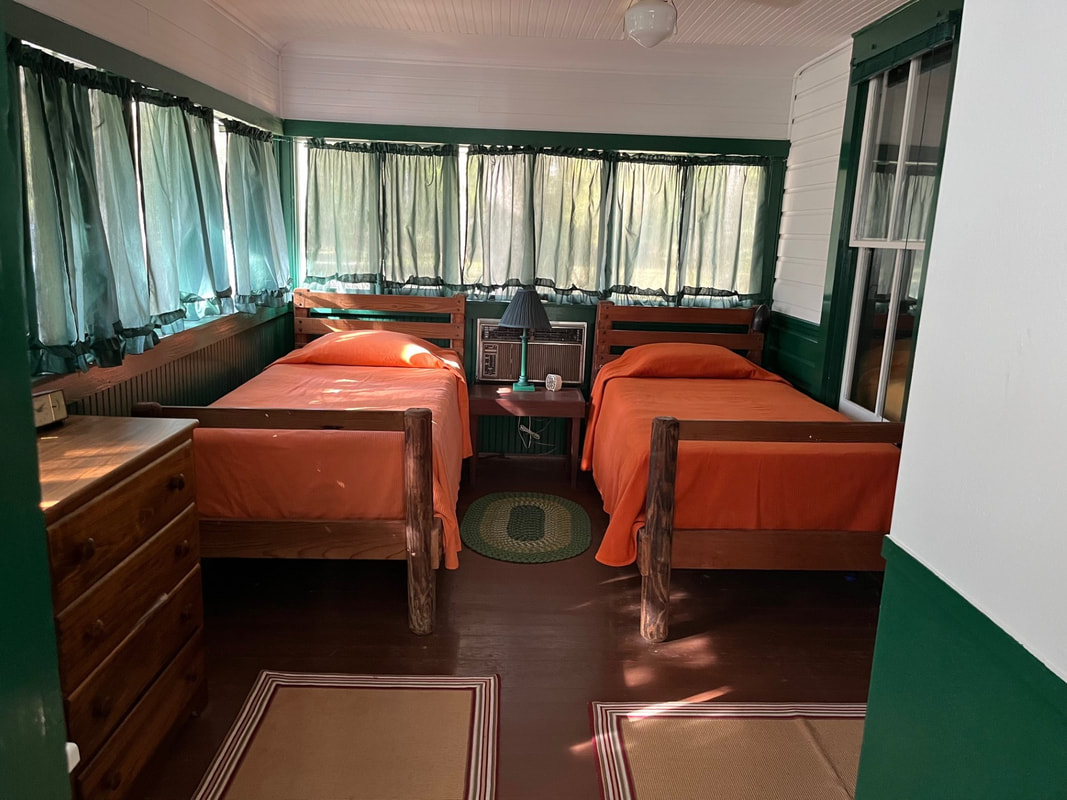
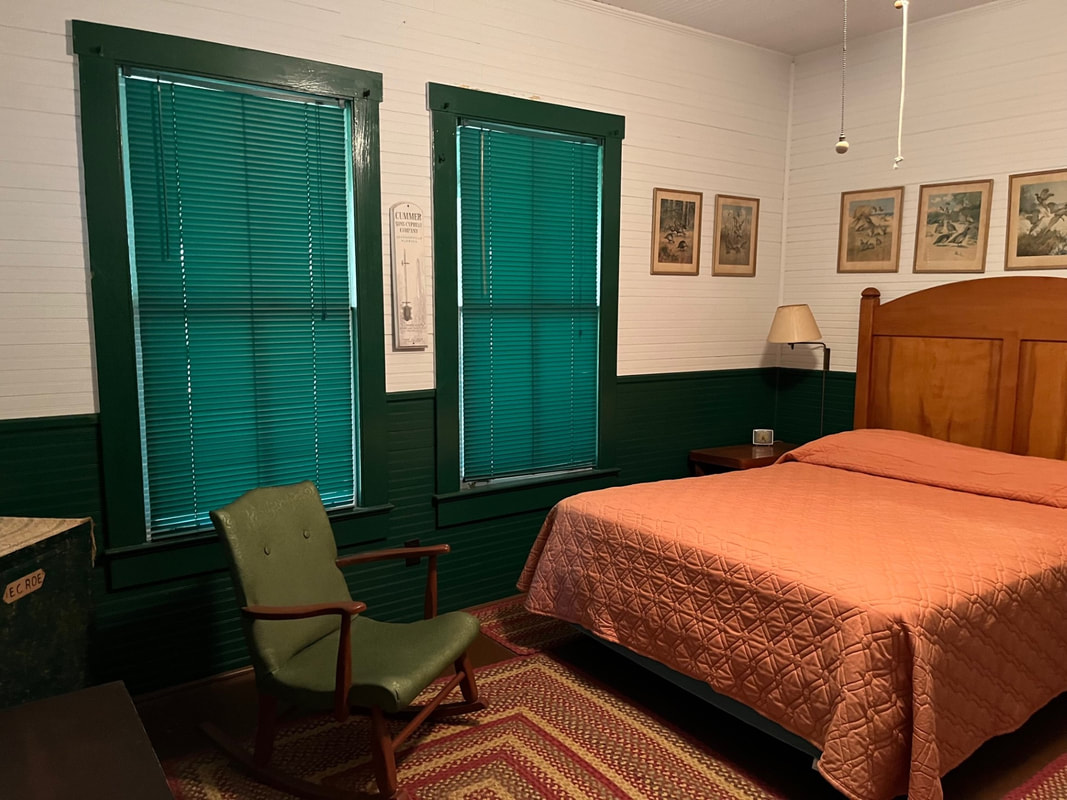
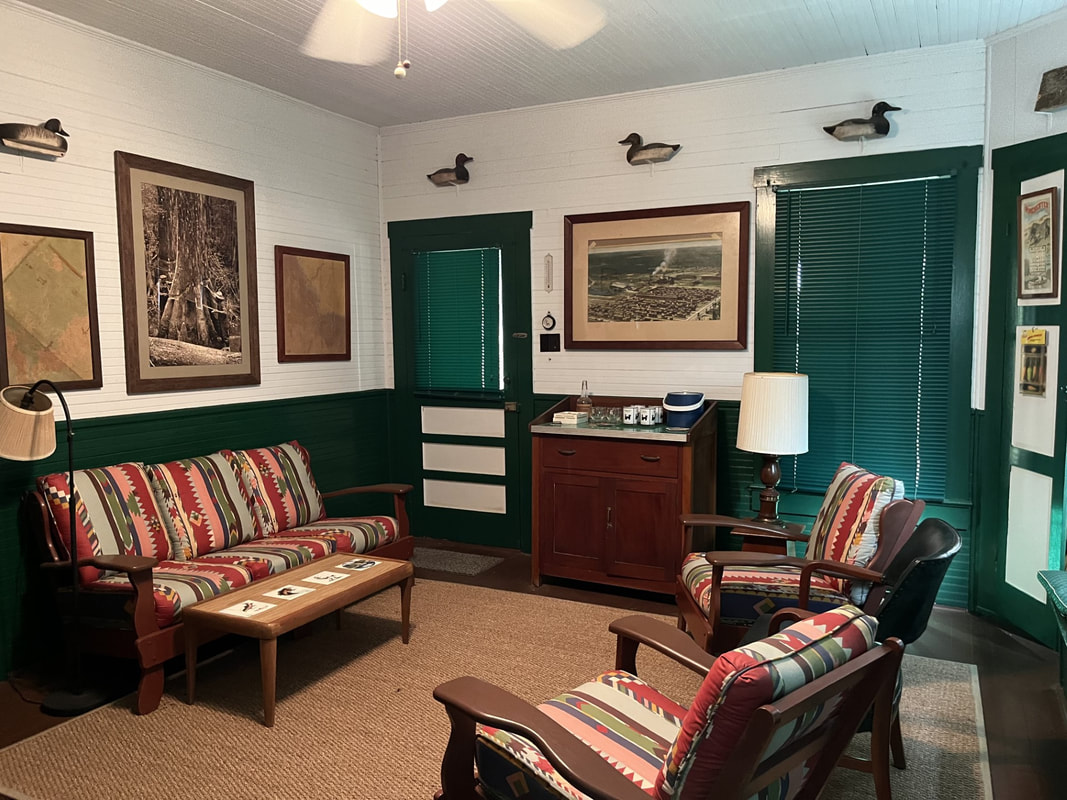
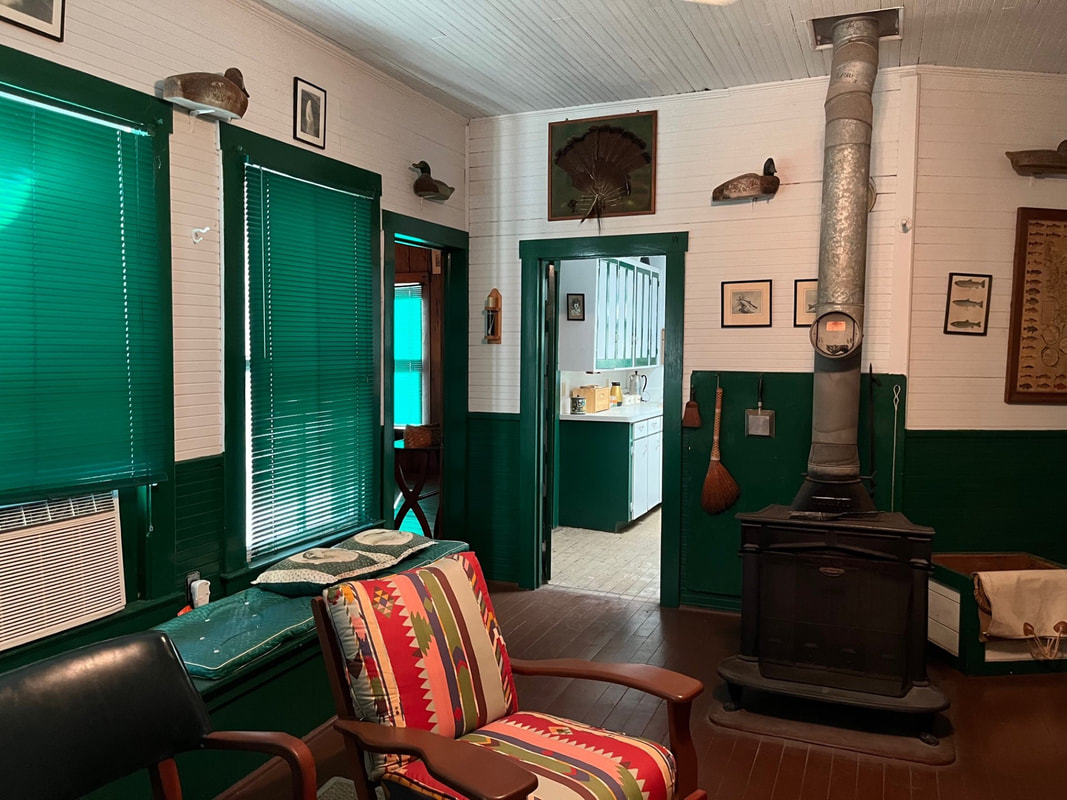
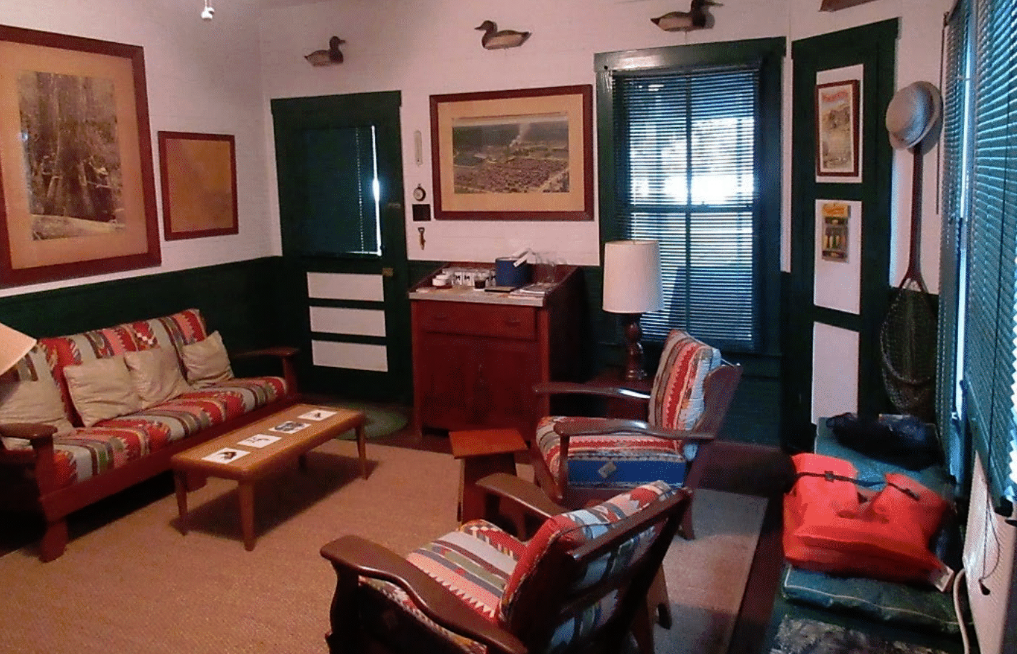
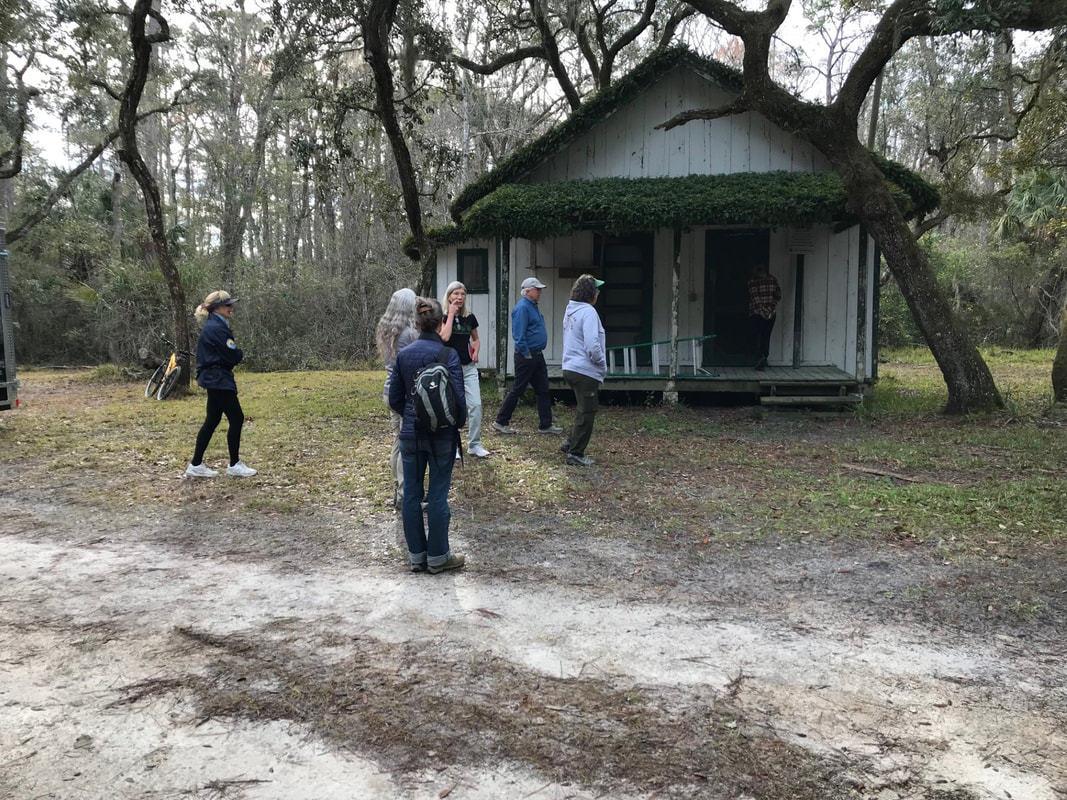
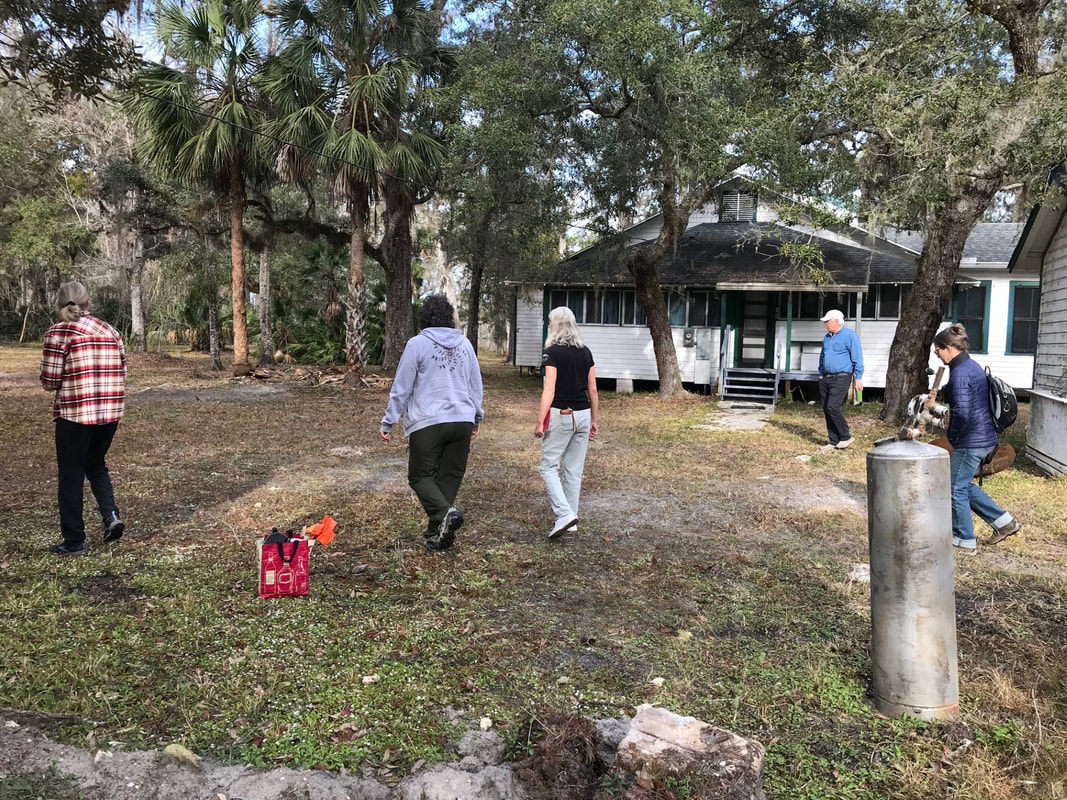
In the mean time, Debbie and board members Robin Gallup and Jeri Treat have been curating the Main House. Look at the gorgeous results.
Are you thinking you might like to help get the house ready for the public to visit? Note the floors in these photos. The old kitchen flooring had to be removed. It left a lot of adhesive to be scraped so the wood floors underneath can be refurbished and painted. Might you be willing to spend a day scraping floors? Email [email protected] and join the, hopefully, one-day floor project. We will be in touch to find a day that works for the willing!
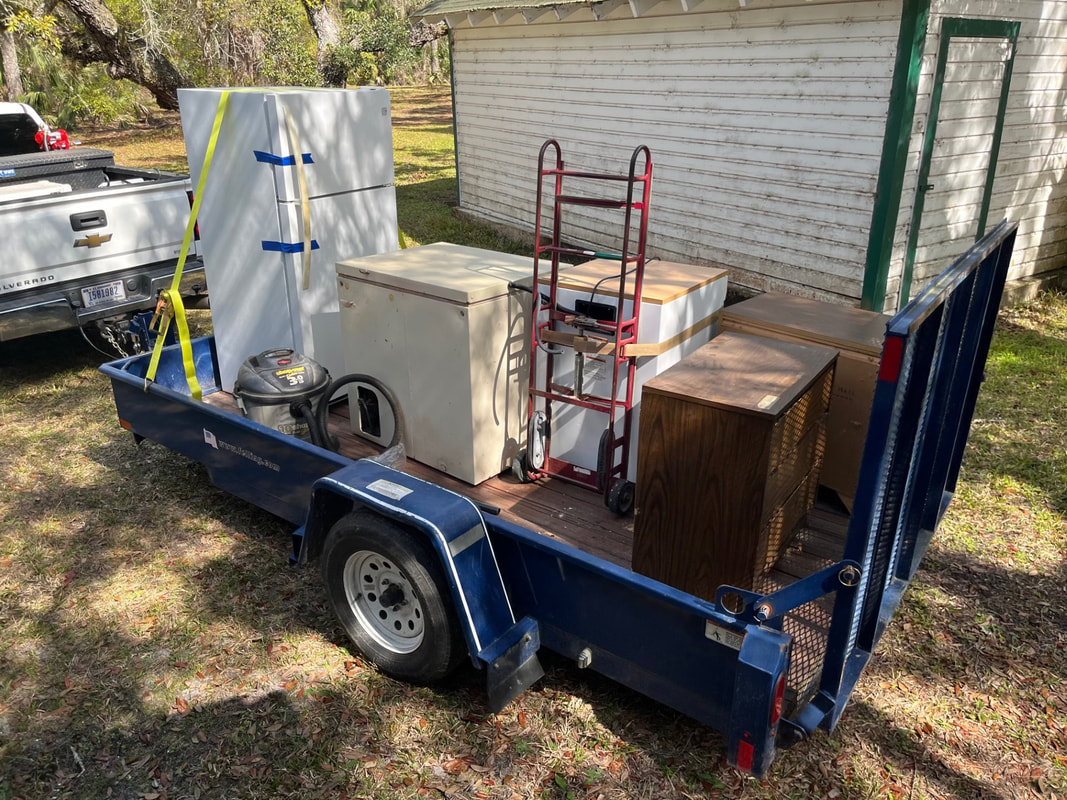 Out with some broken items
0 Comments
Karan and David Barber are new residents of the area near the Lower Suwannee and Cedar Keys National Wildlife Refuges and new members of our Friends group. This is a story by Karan about their previous experience as NWR Resident Volunteers:  For my husband and myself, being resident volunteers was truly a bucket list experience. We served at the Lake Mattamuskeet National Wildlife Refuge. Lake Mattamuskeet is the largest natural lake in North Carolina and world renowned for the over 200,000 migratory waterfowl who winter there. We had visited the Refuge a couple of times before applying to be resident volunteers. The lake is located in coastal Hyde County, one of the lowest populated areas in North Carolina. This is very important to note if you plan to get fuel on a Sunday (or after 9 pm) or groceries or fast food or restaurant or camp nearby. 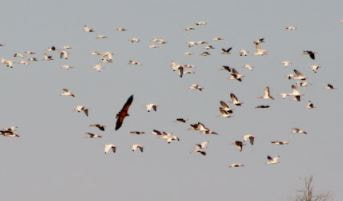 Eagle launching Our visits did not achieve our goals to see; a 20,000 flock of Snow Geese, all the Northern duck species, not to mention the Ibis, Black Crowned Night Heron, Tundra Swans, bobcats, river otter, gray fox, and many, many others on my list. This was very frustrating as there was a constant chorus of Snow Geese heard throughout the day and night. So we decided to apply to become NWR Resident Volunteers. 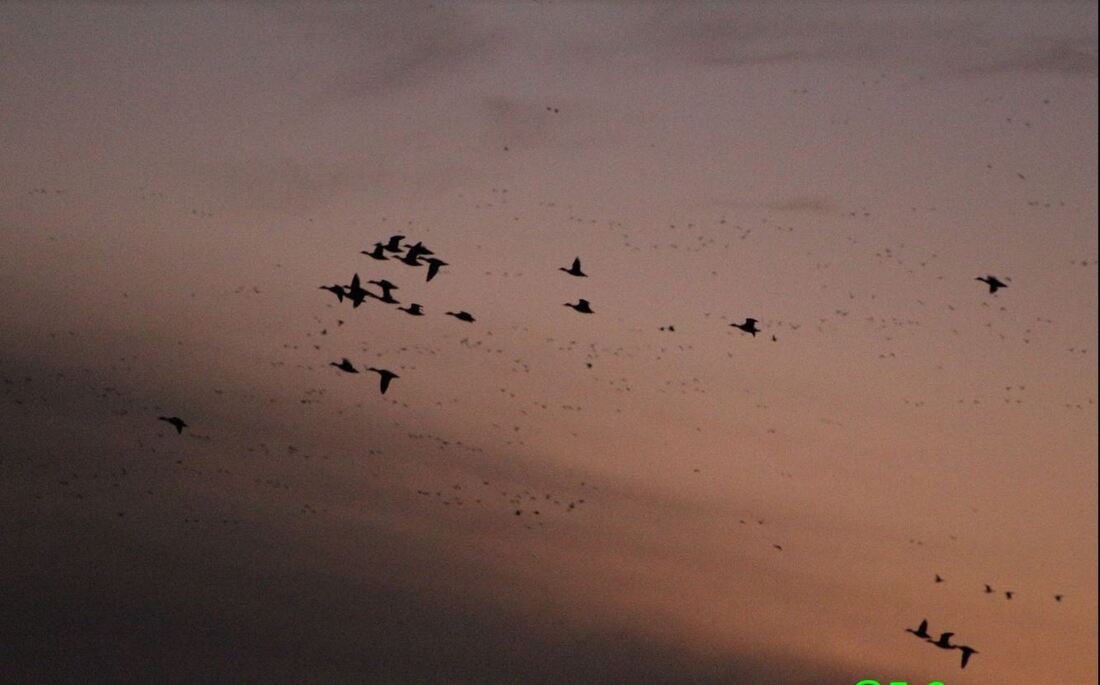 Ducks in flight Once our applications were approved and we were properly vetted the adventure began. We signed up for a three month stay during the peak of migration from January to March 2016. The wildlife was glorious! What we learned was amazing and the natural world we witnessed was incredible. We manned the Gift Shop and Visitor Center. And I was able to shadow the wildlife biologist in my off hours to assist in the daily bird counts. Here are a few of the amazing scenes we captured. 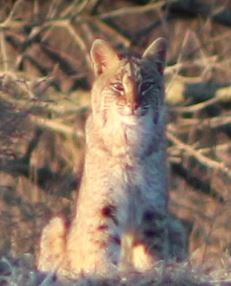 Bobcat Currently the Lower Suwannee NWR has two sets of Resident Volunteers. Kathy and Dusty Dusterwinkle have served have been coming seasonally and staying on the Dixie County side of the Refuge for 10 years. Robin and Rick Gallup have served ion the Levy County side of the Refuge for 4 years. They are all Friends members and Robin was just elected to the board. If you have a spot you love and want to truly experience APPLY! 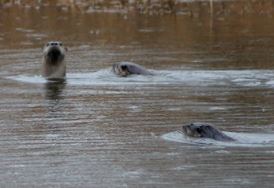 Otters at play Below is some good-to-know information about becoming a NWR Resident Volunteer below. I have to say -- If you have a Refuge you love and want to truly experience APPLY! 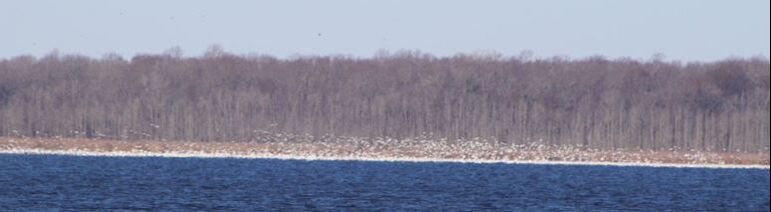 Snow Geese What is the program?
This information is based on Karan's own personal experience and the lessons she and David learned while participating in the National Wildlife Refuge Resident Volunteer Program. If you have questions, comments, and new information, Karan would be pleased to hear from you. Email [email protected] and we will forward to her for you.
Suwannee 22 (in White) arrived in the Florida Panhandle on 4 March. Learn to listen for their calls here. 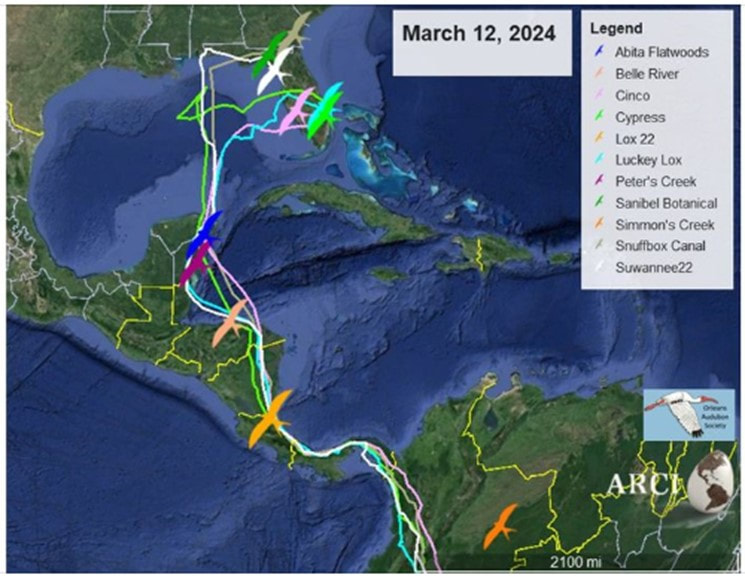 Northbound GPS-tracked Swallow-tailed Kites on March 12, 2024. According to Researcher Gina Kent of the Avian Research and Conservation Institute (ARCI) the Swallow-tailed Kites have been seen in the local area. Sightings have been reported from the following Florida Counties: Brevard, Dixie, Duval, Charlotte, Citrus, Hillsborough, Lake, Leon, Levy, Marion, Palm Beach, Polk, River, St. Lucie, Volusia, Wakulla, and Washington. There even have been a few in the state of Georgia! Friends helped support the tracker that has recorded travel by Suwannee 22, the Swallow-tailed Kite for the past several years. The tracker provided Refuge Manager Andrew Gude with new and abundant data on the use of the Refuge by Swallow-tailed Kites, important information for decisions about land management. The project is part of ongoing ARCI research, whose Executive Director Dr. Ken Meyer was the featured speaker at our 2020 Annual Meeting.
Take Action:
If you see Swallow-tailed Kite nesting behavior, help ARCI by reporting and observing your nesting kites through the breeding season. Follow the Eyes on Kites program here: https://www.arcinst.org/eyes-on-kites/ Learn more about Swallow-tailed Kites here. Hawkwatch International is a great site for Raptor lovers! Looking to hone your bird ID skills? Try the Merlin Bird ID app or the Bird Academy from Cornell Lab. 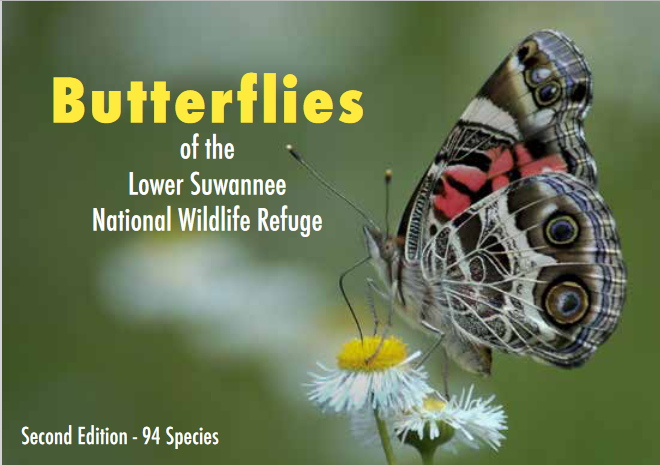 The Lower Suwannee National Wildlife Refuge supports excellent butterfly habitat. In a single spring day as many as 54 species have been observed along the Nature Drive! Butterflies of the Lower Suwannee National Wildlife Refuge is a guidebook for beginners and all butterfly lovers. It is the result of Barbara Woodmansee’s dedicated citizen-science survey work. Barbara is a long-time volunteer and former board member of the Friends of Lower Suwannee & Cedar Keys National Wildlife Refuges. Her surveys, going back to 2009, informed Refuge staff and helped them enhance pollinator habitat in a number of ways, such as by adjusting their mowing schedule along roadsides and trails. Barbara’s photographs are compiled in the guide to help with butterfly identification and encourage visitors to appreciate and support the diversity of all our wildlife. The guidebook has been so popular that we have only 3 copies remaining in stock. We are updating with the four newly documented species that have been identified since the first edition was printed. You can contact Barbara with questions, comments, and new species sightings at [email protected]
 Plans are moving along, somewhat more slowly than we expected when we wrote about this project in February. We will wait a while to see the results of the possible grant, and to assure that we have plenty to plant when the soil arrives so as not to encourage weed incursion. Thanks to those who have already indicated a willingness to help. We will stay in touch. 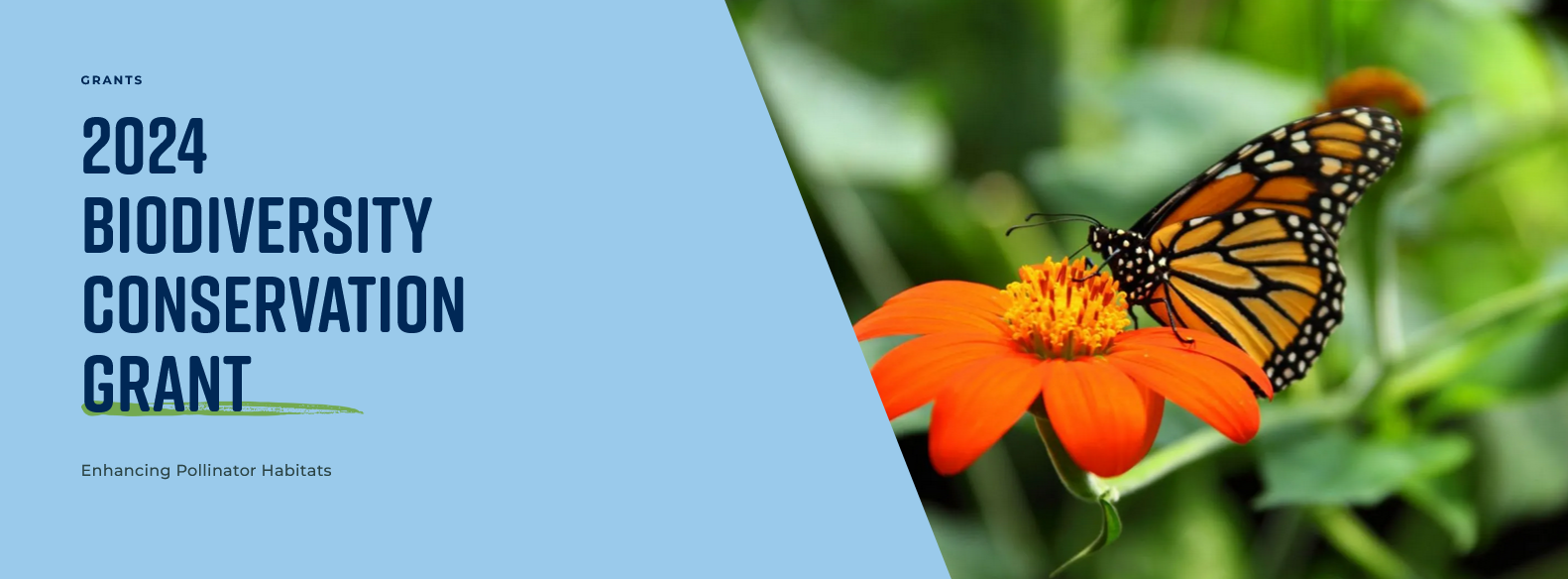 Friends Submitted a Letter of Intent to Apply for a Grant:
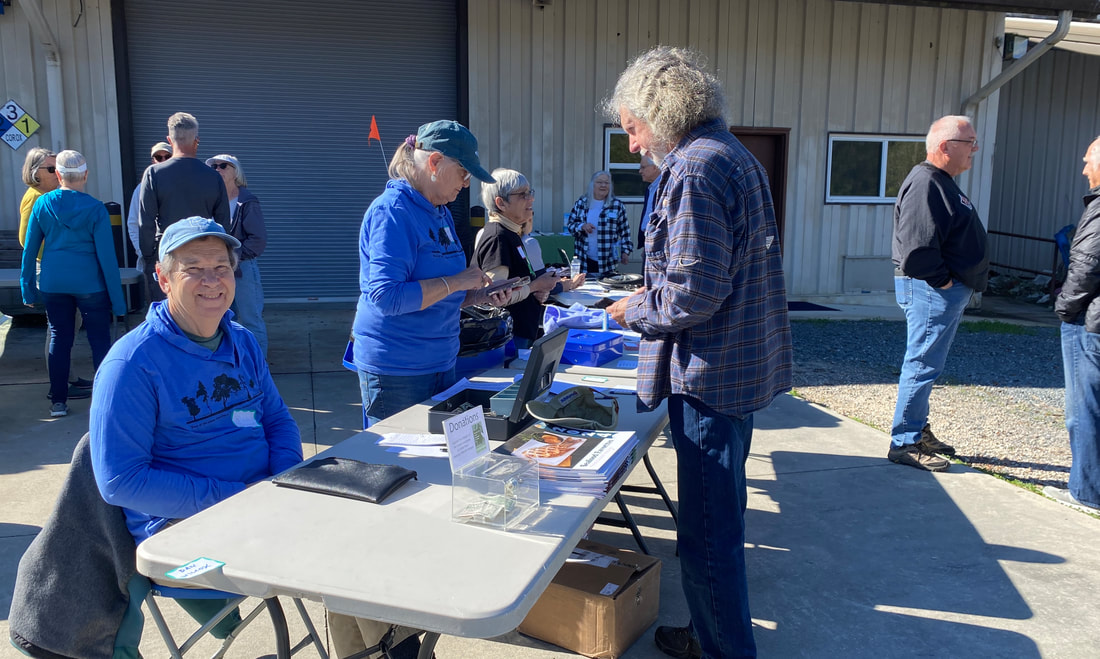
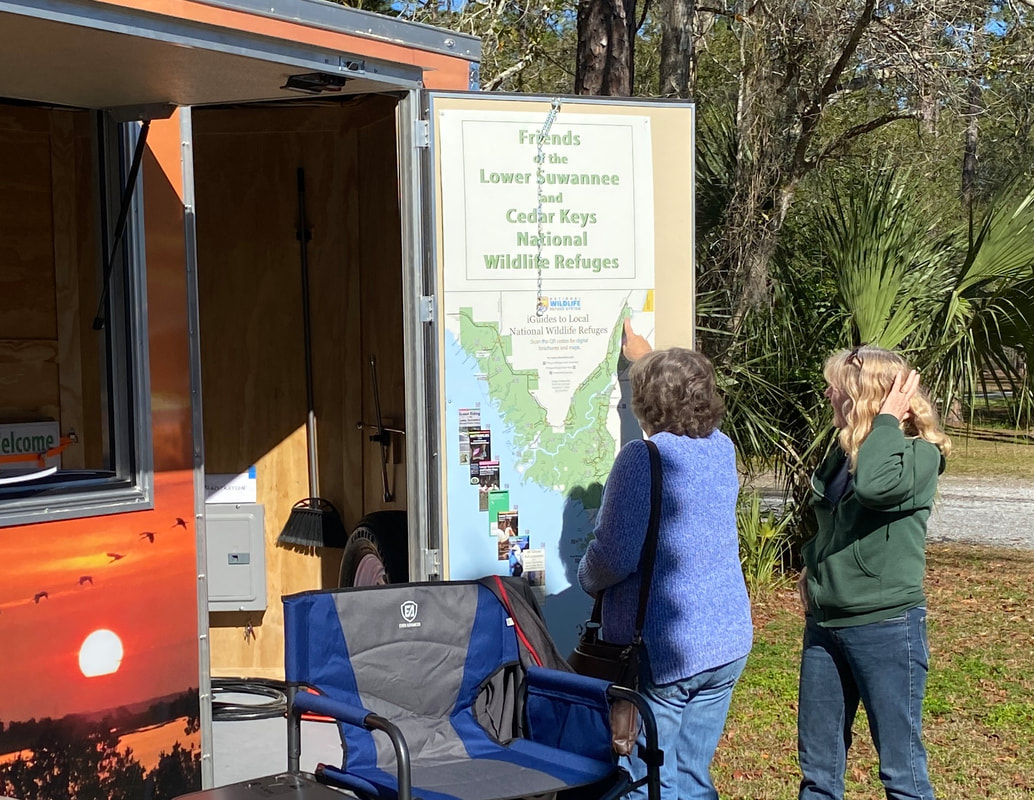
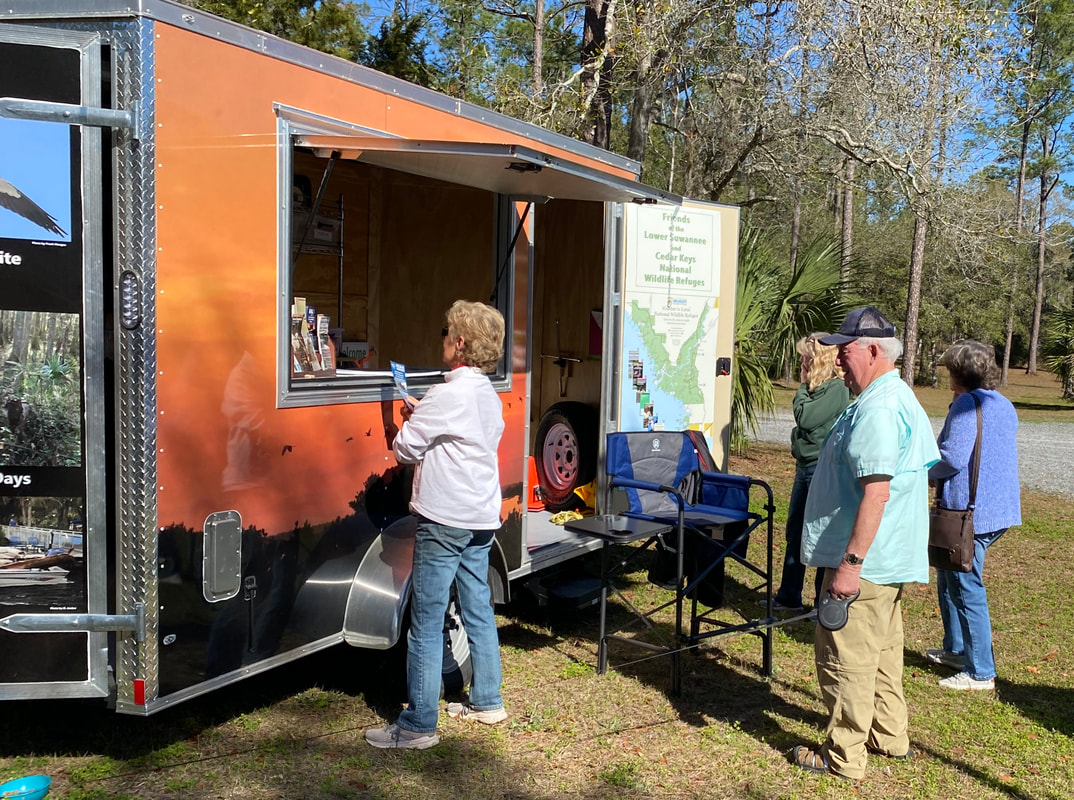
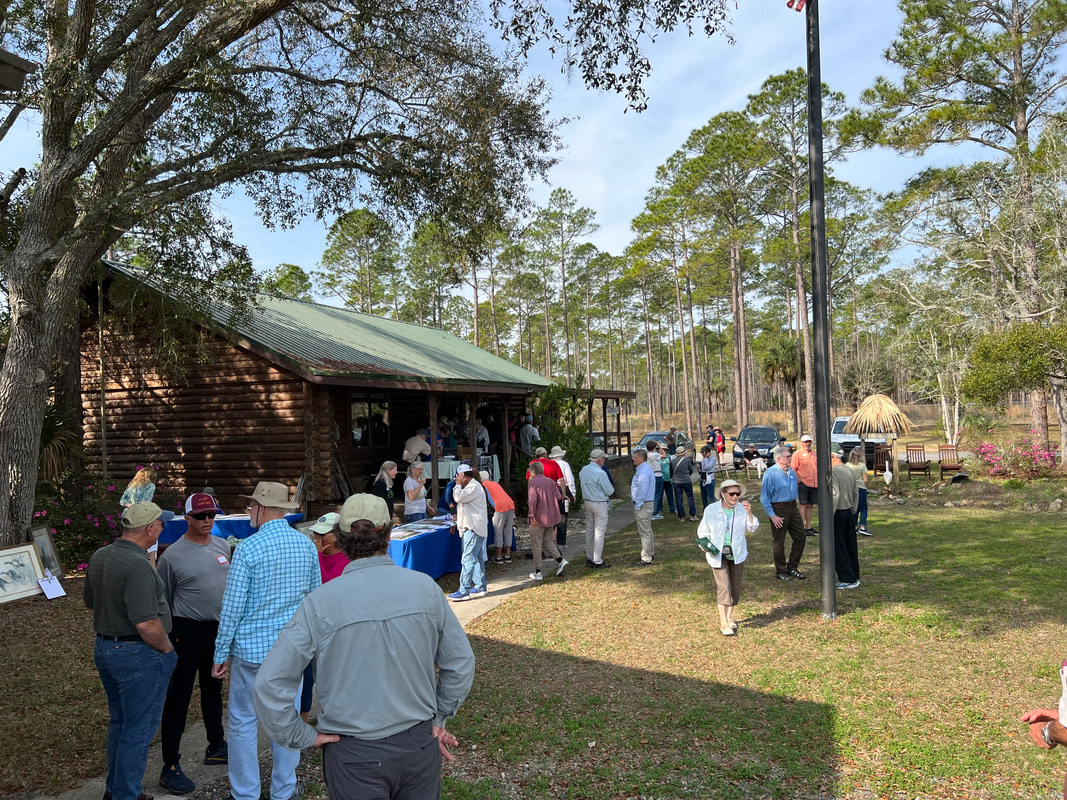
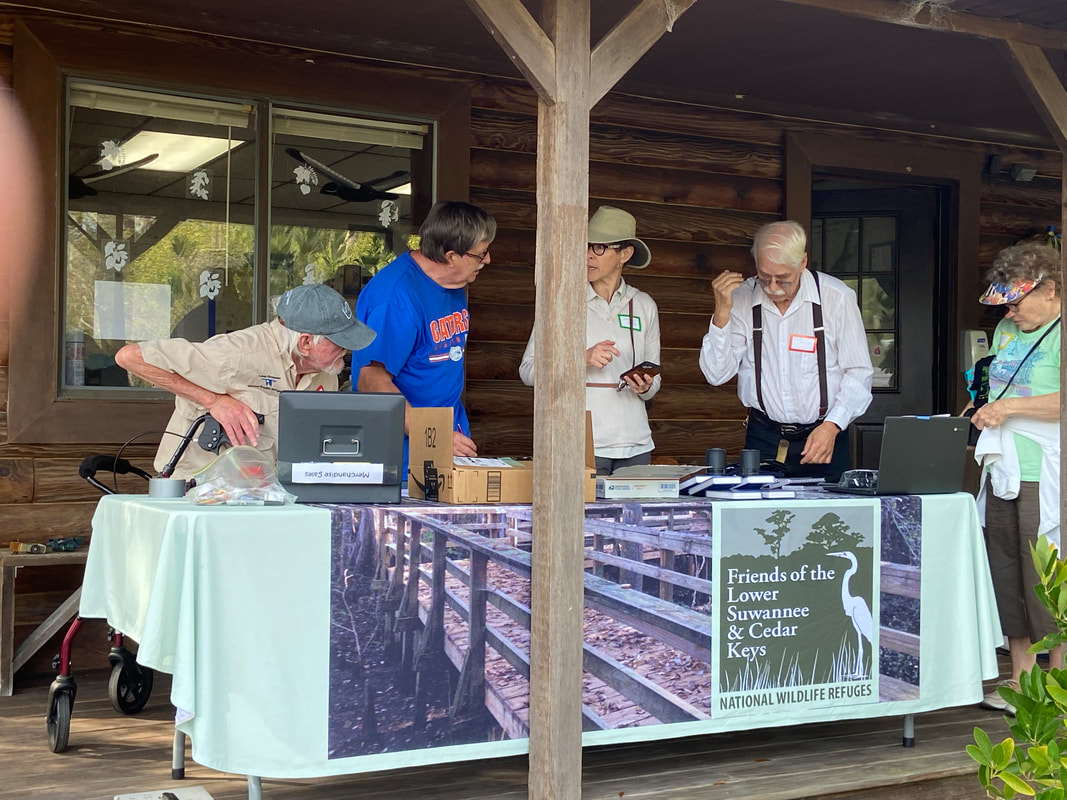
The NEEF Biodiversity Project invited nonprofits to send a "letter of intent" describing how they would improve pollinator habitat if awarded a $50,000 grant. You betcha, Friends submitted. Competition is hot. There are only three awards, nationwide, for which we are eligible. Nevertheless, our letter is in the hopper. We should hear before the April News Brief Friends lucked out again this year! Like 2023, the sun was shining and the day was delightful. Everything was ready and awaiting the first members' arrival at 9:30 a.m.. They signed in and visited the information tables to chat about the past and coming year's activities and accomplishments. They shopped for Friends merchandise and at the silent auction tables. They hung out at the Friends new Refuge Rover Trailer.
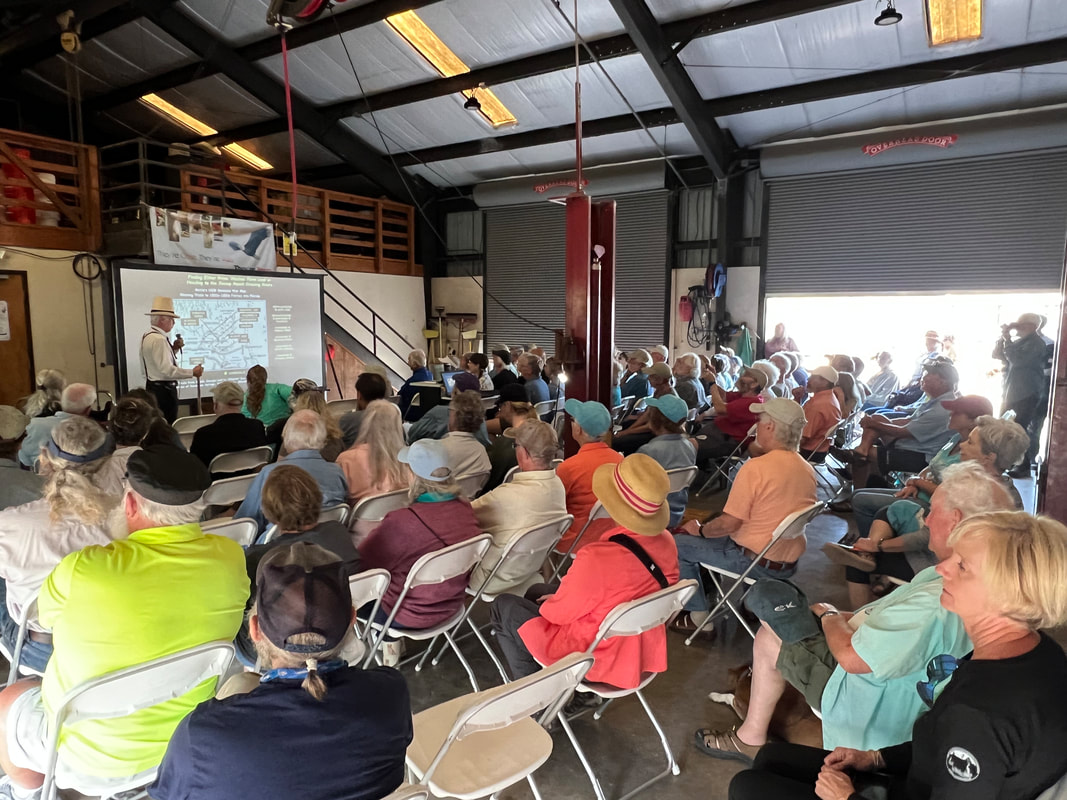
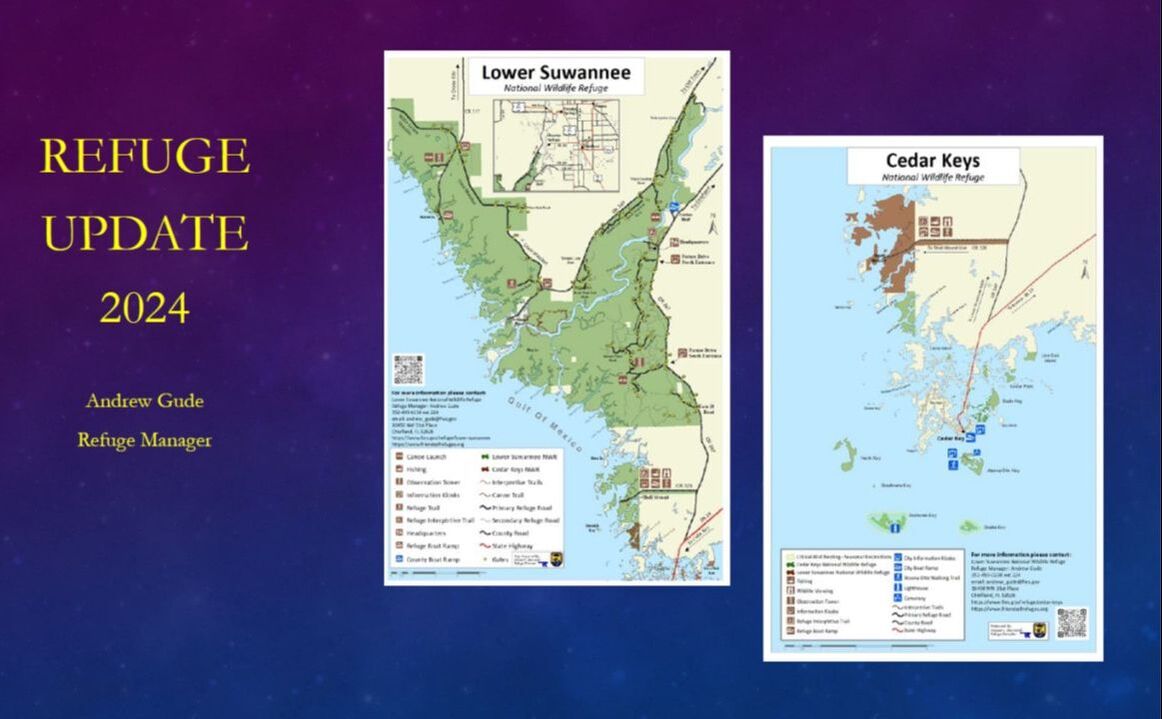
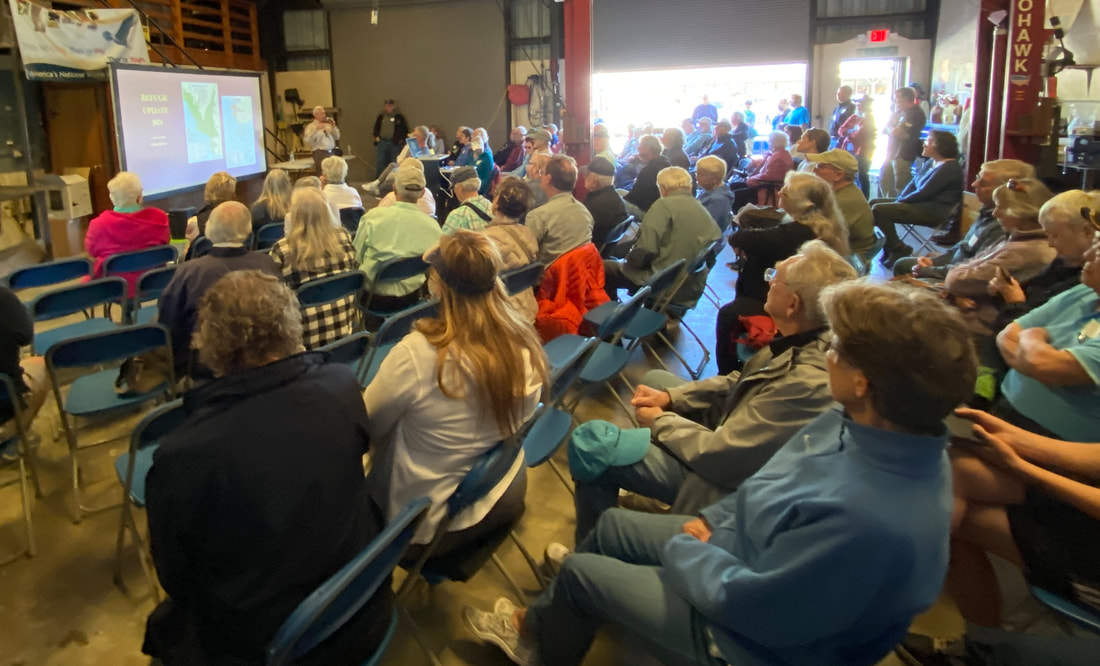
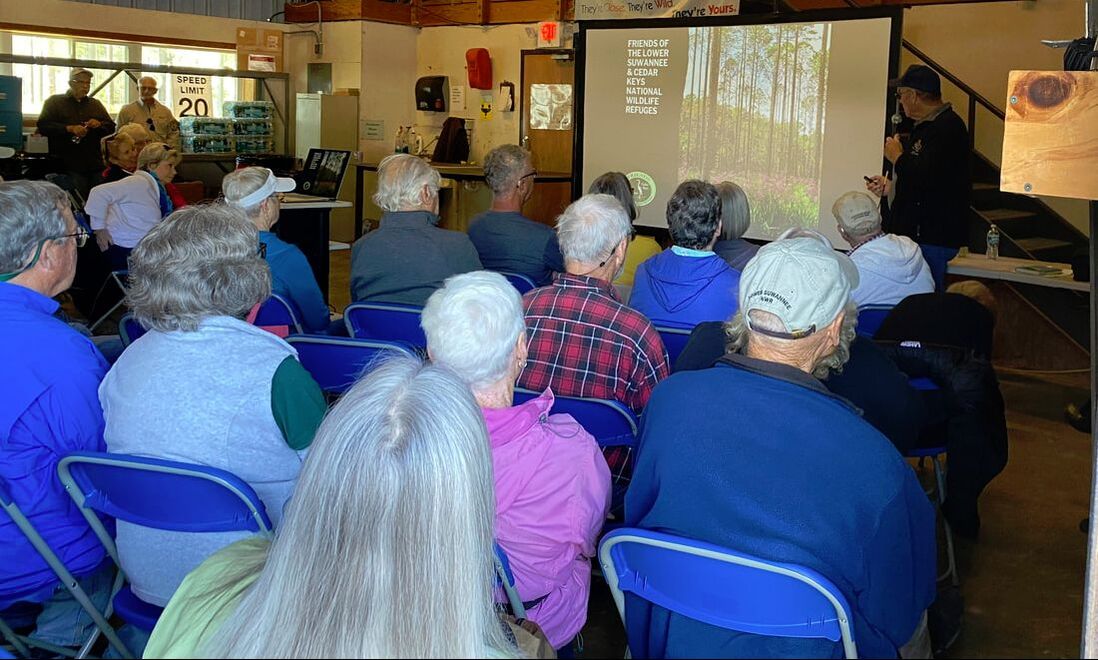
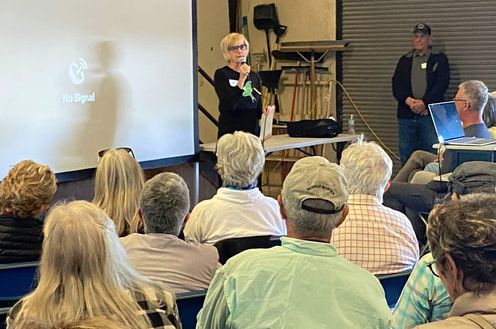
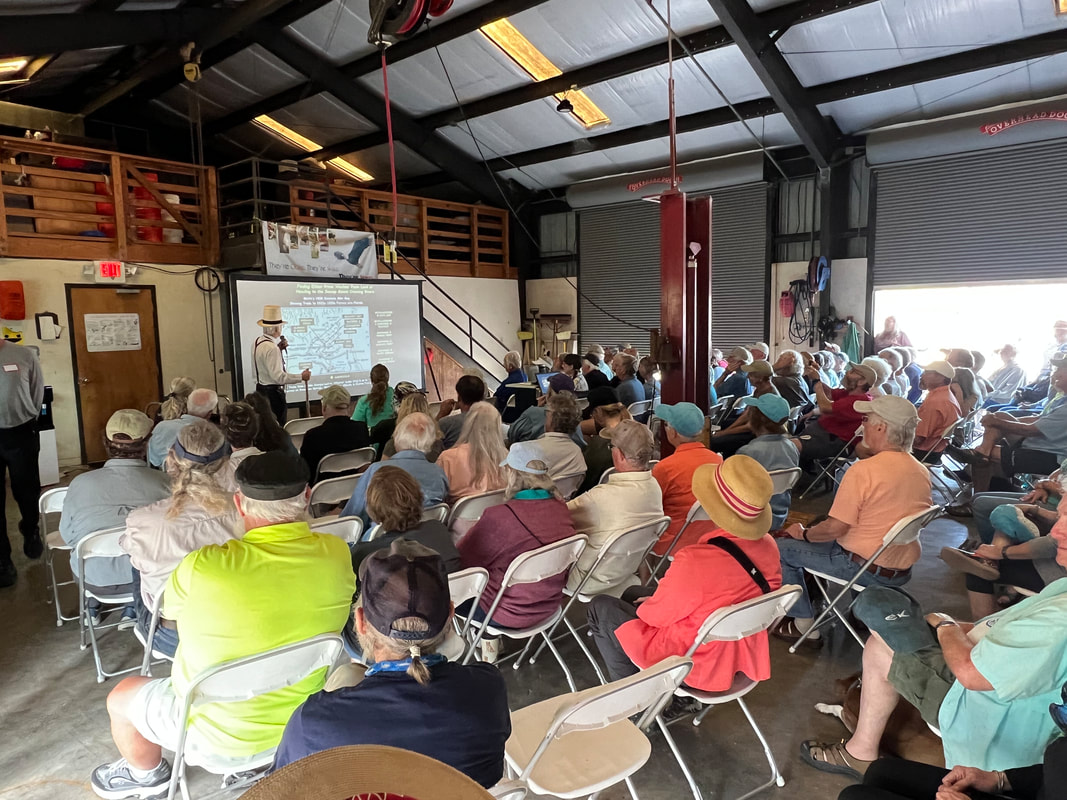
The presentations by Refuge Manager Andrew Gude, and Friends' President-elect Ron Kamzelski gave broad and deep overviews of Friends actions and impact and achievements on the Refuges. 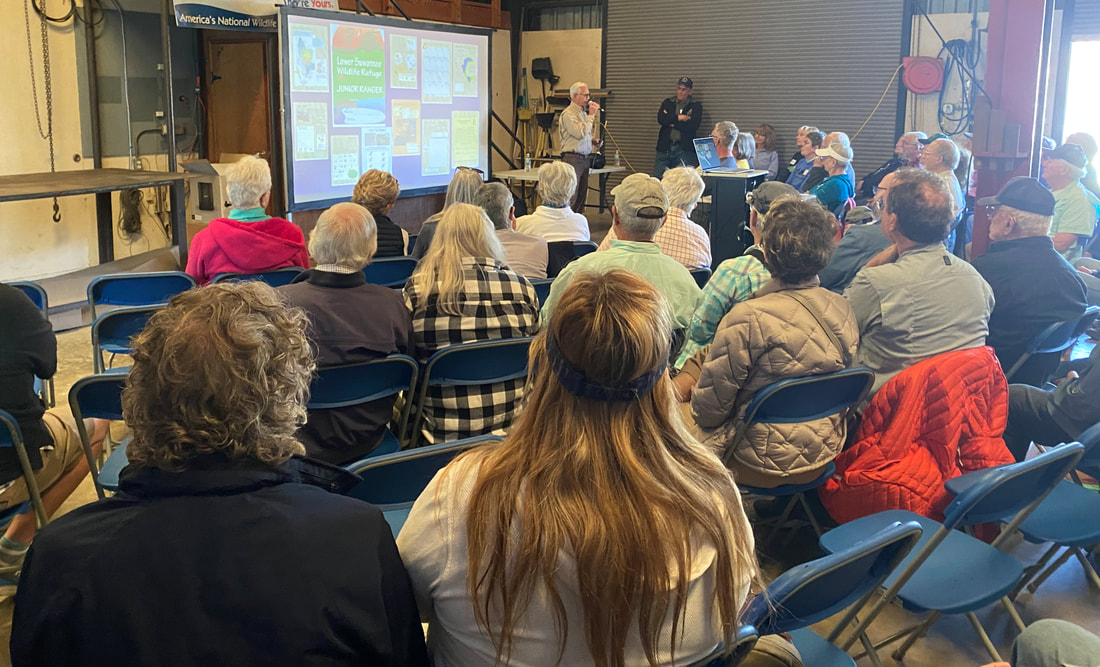 Refuge Manager Andrew Gude giving his Refuge Update presentation. See it below.
The slate of officers and directors was approved by the membership. The financial status of the organization was reviewed.
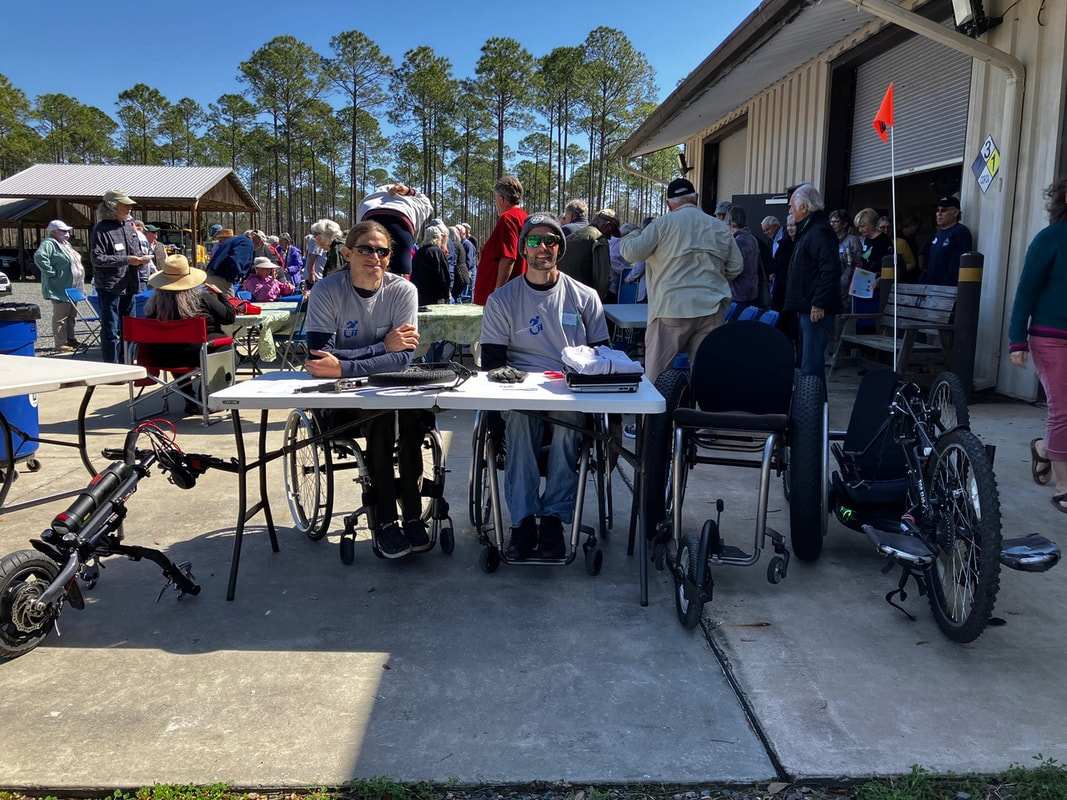
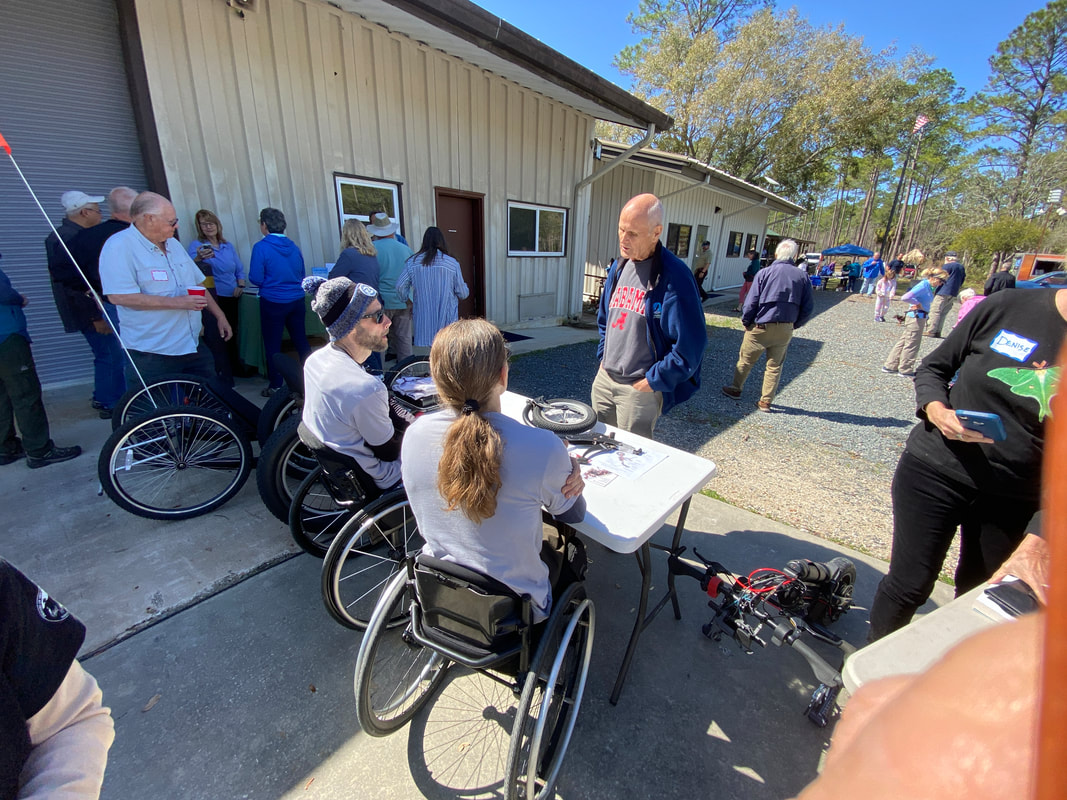
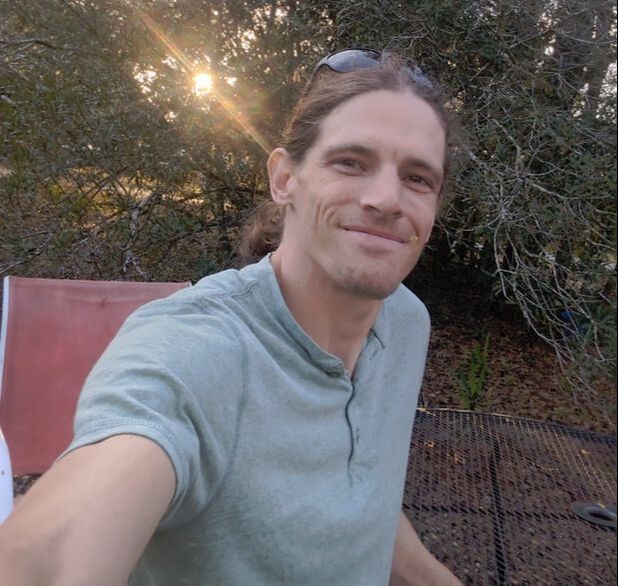
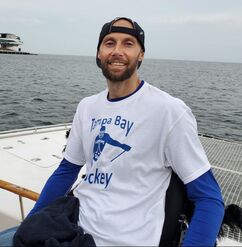
Brandon Imhoff, of Unlimited State of Ability, made a powerful presentation not only about accessibility but about the magic a wildlife refuge can provide. He related how he and his girlfriend’s first visit to our refuge was such a perfect day and experience that it made his plans to propose marriage easier and more special. He and his colleague, Michael Dumas, provided members with lots of information and demonstrated some incredible mobility equipment, making Friends all the more enthusiastic about enhancing the accessibility on our refuges.
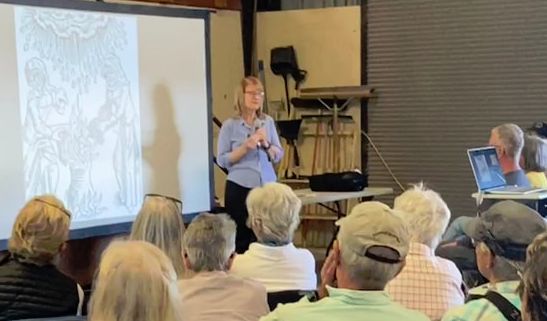
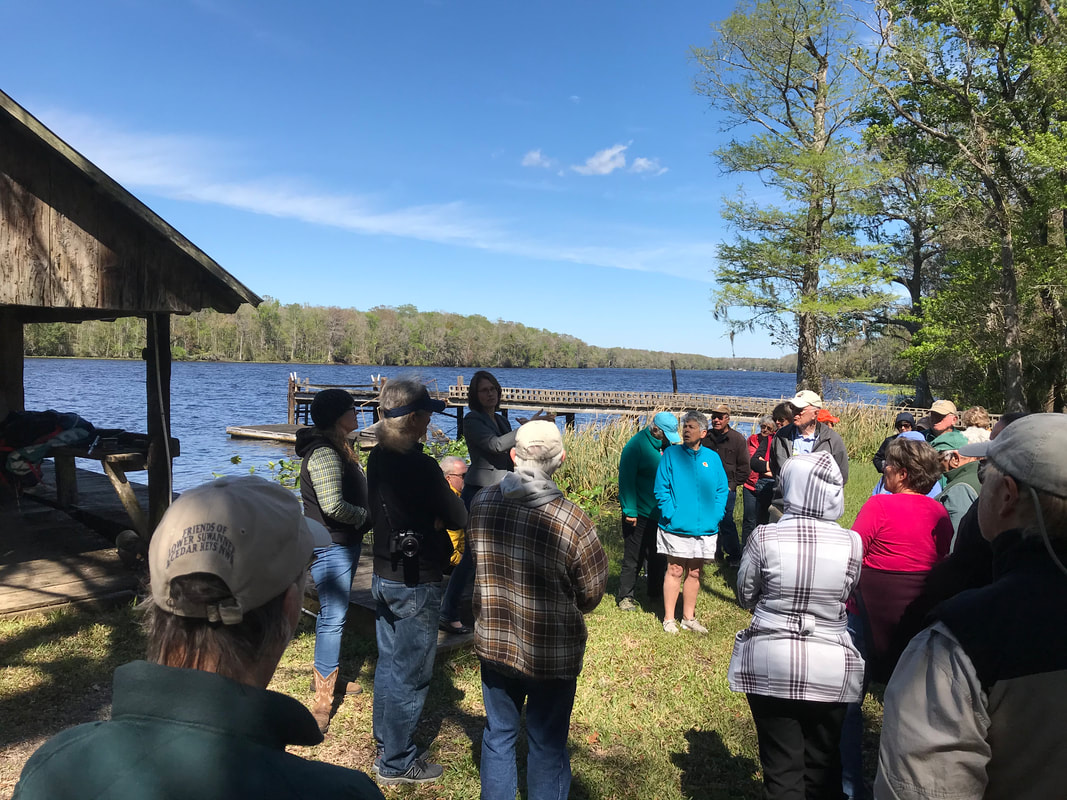
Incoming President Denise Feiber introduced the featured speaker, award-winning author and environmental journalist Cynthia Barnett and her presentation on Rain! We were honored she agreed to present and was received with great interest and enthusiasm. A new member said, "The speaker was amazing! I am planning to read all her books." A board member wrote, "The talk was one of the best! Who thought you could make such a great talk about Rain! 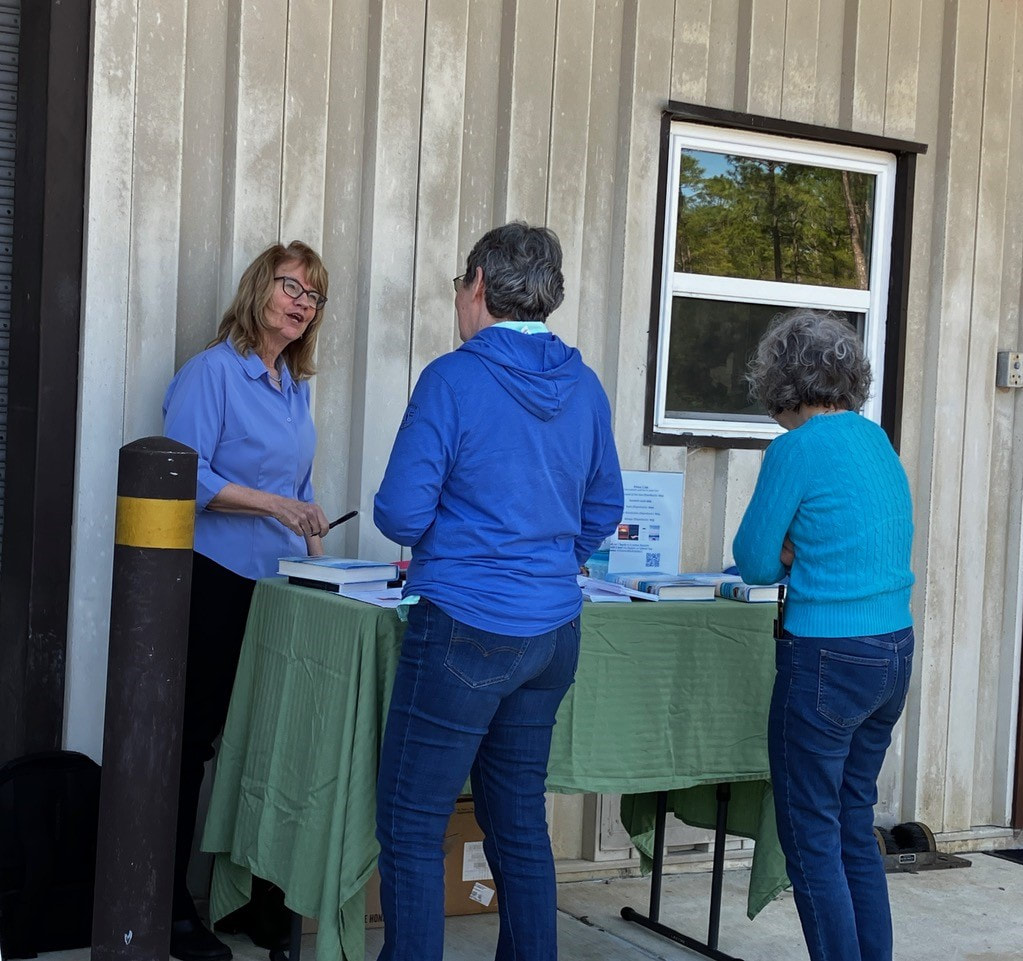 Cynthia Barnett chatting about her books with members Beth Wright and Jane Connors . 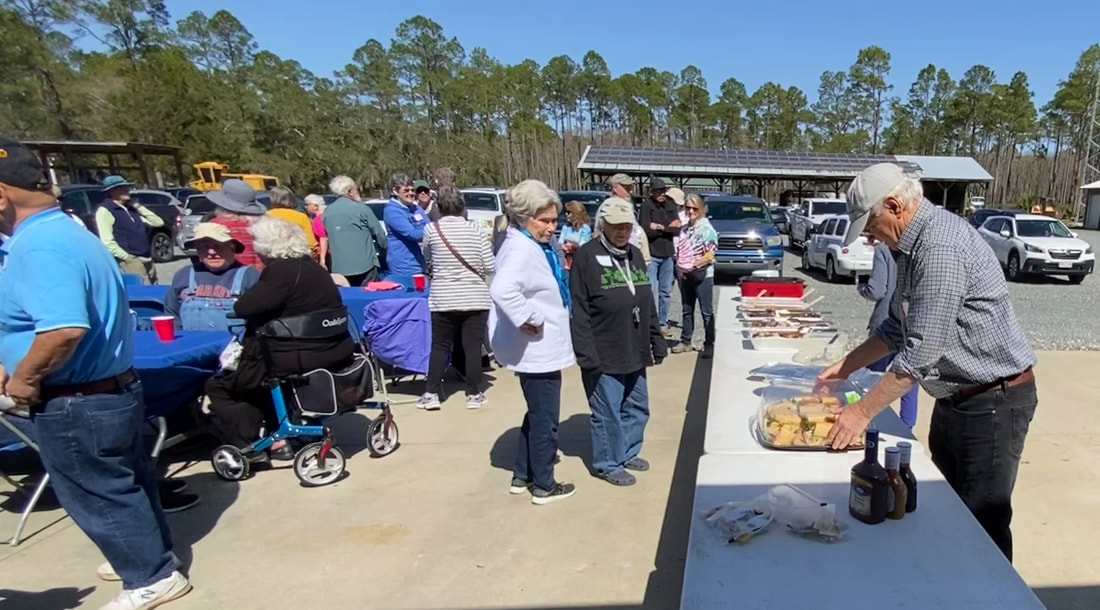 Getting ready for the BBQ lunch. Lunch was a highlight, as always, with the feast prepared by local stars Ken and Rose McCain. 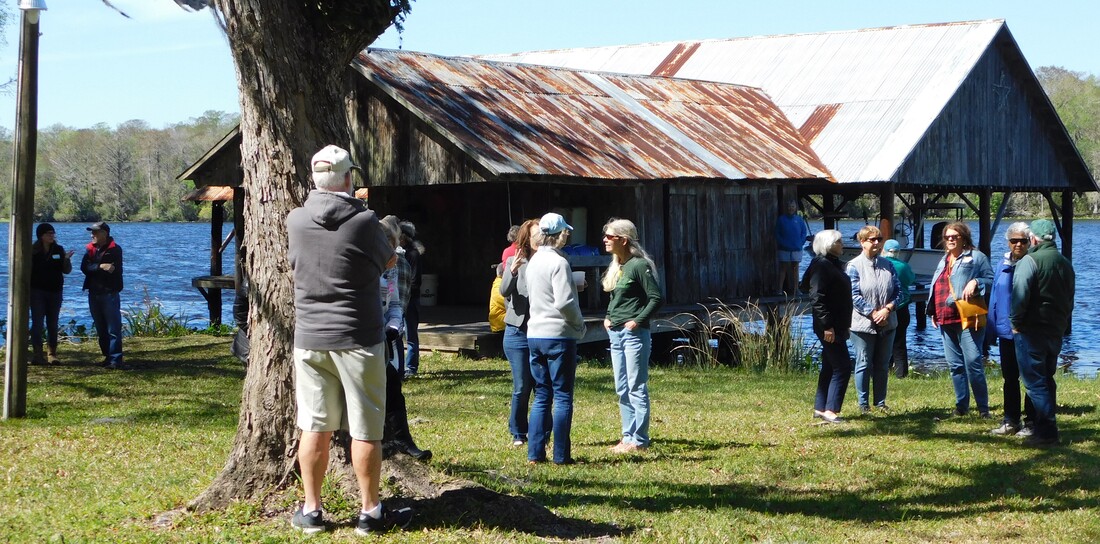 Members at Vista in the afternoon. The River Trail Walk, led by John Thalacker, had more than a dozen participants. The Vista visit had at least that many and especially attracted members who had not previously seen the property. Some hearty folks participated in both walks and spent time with Brandon and Mike discussing the accessibility equipment in action.
See you next year. Save the date -- Saturday, February 22, 2025.
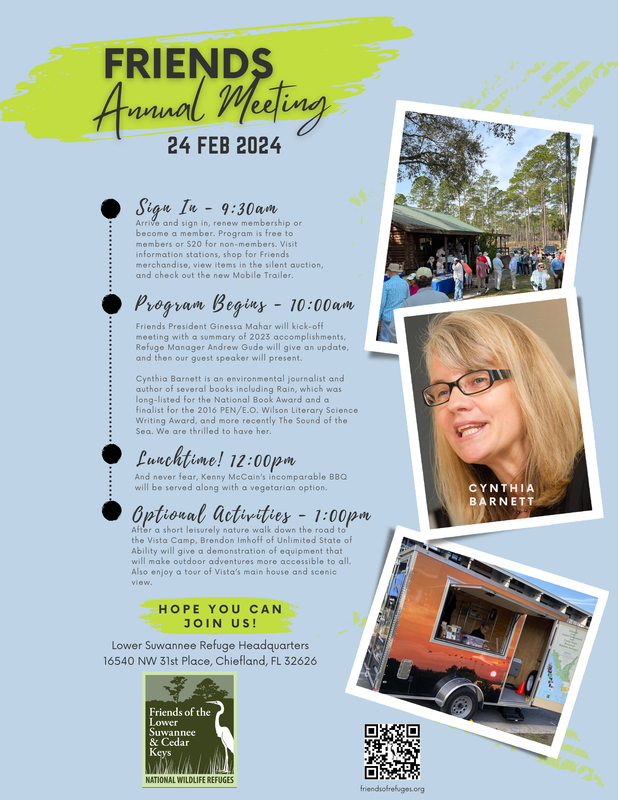
Saturday, February 24. As has been our tradition, Friends Annual Meeting will be on the last Saturday in February at Refuge headquarters, which is located off State Road 347 between Chiefland and Cedar Key. The official address is at 16450 NW 31 Pl, Chiefland, FL 32626. Friends members do not pay a fee to attend the event, including the program, lunch, and afternoon nature walks. The fee for those who are not Friends members is $20 per person. Pre-program activities will start at 9:30. They include:
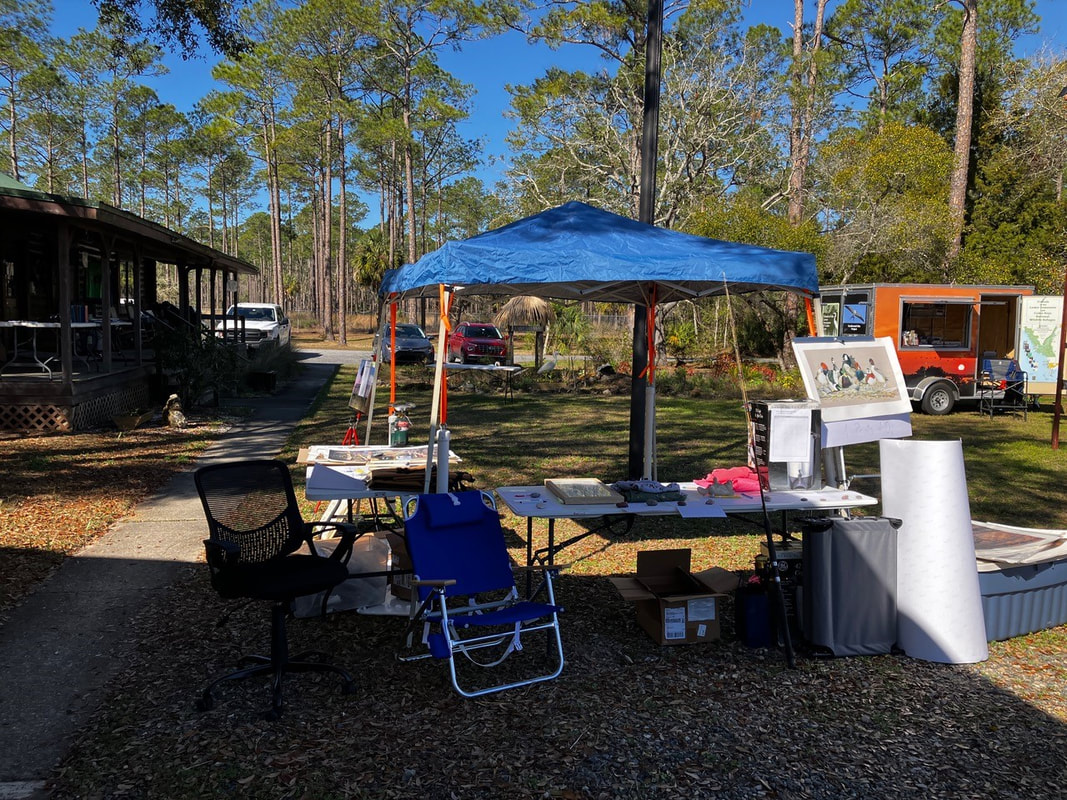
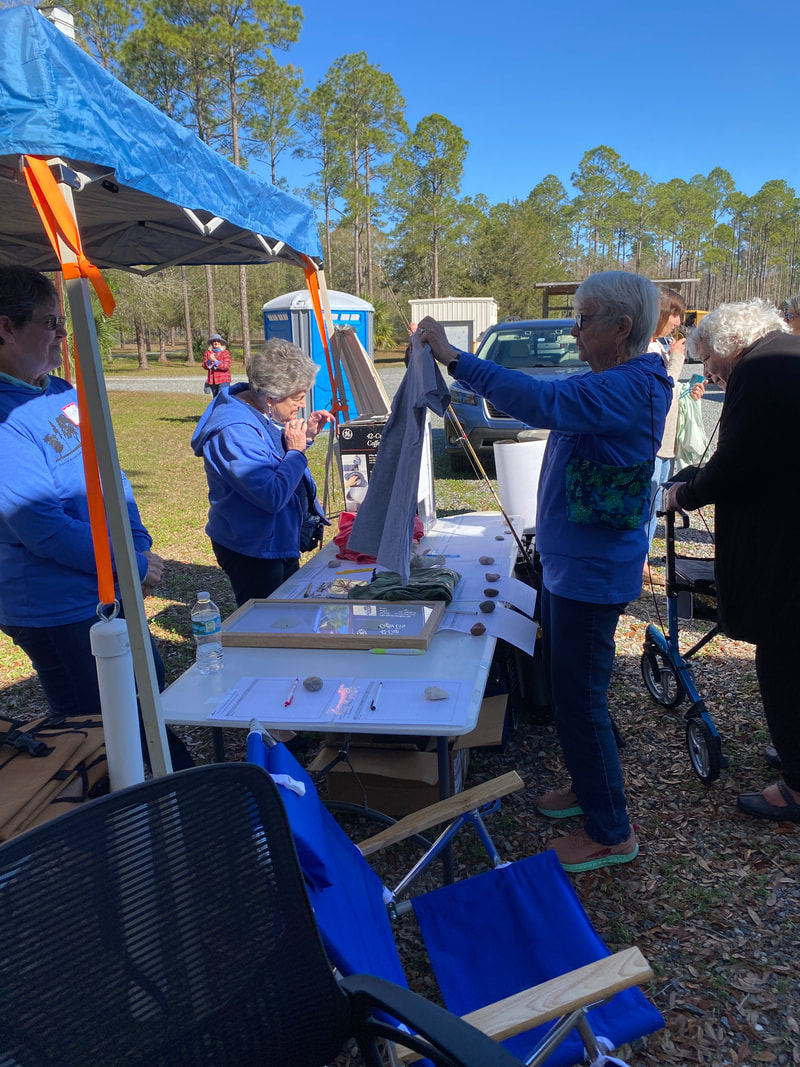
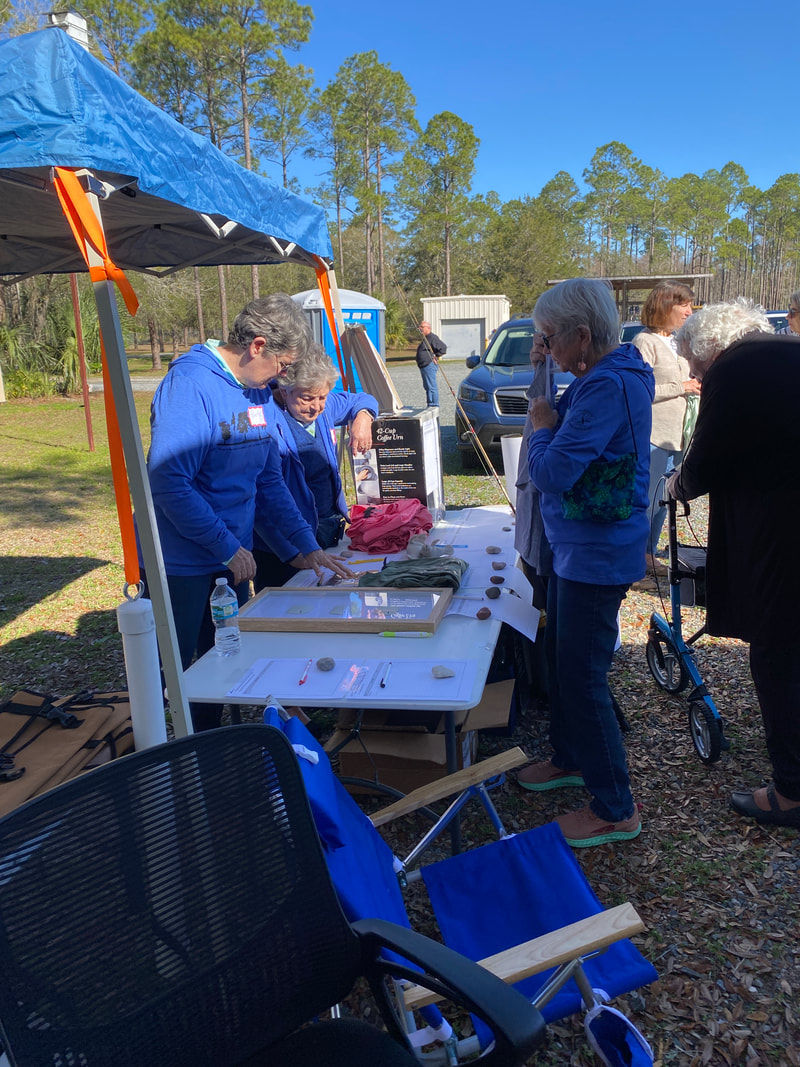
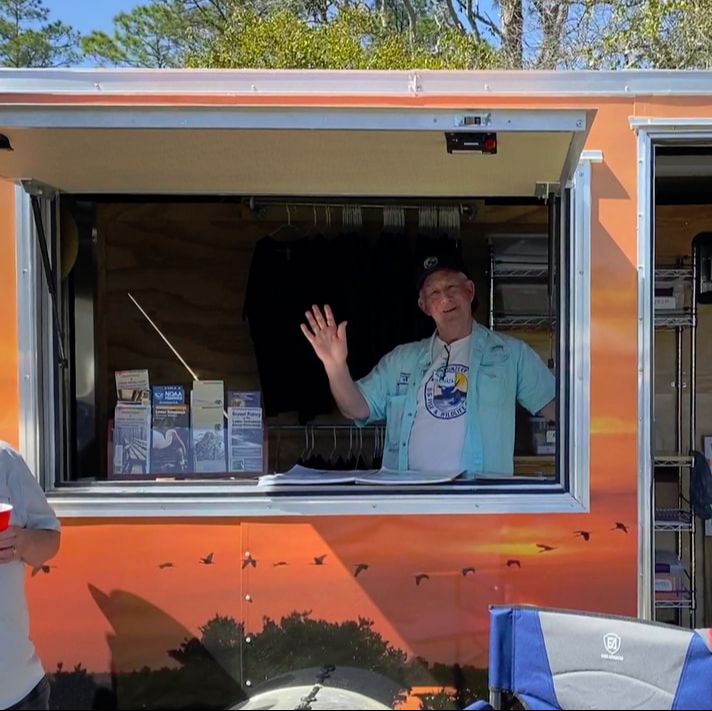
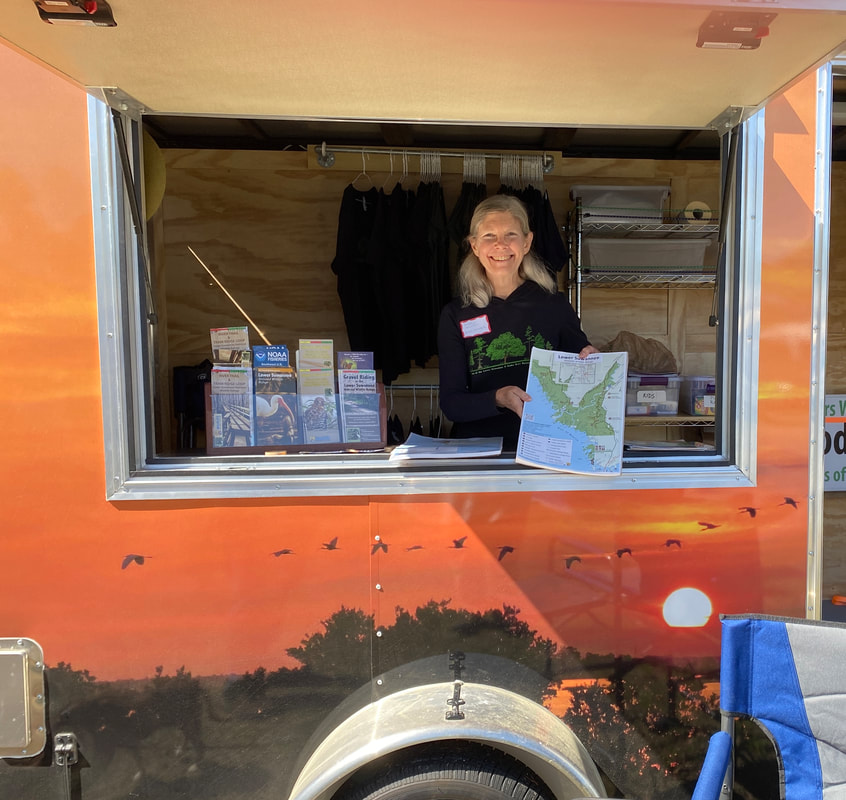
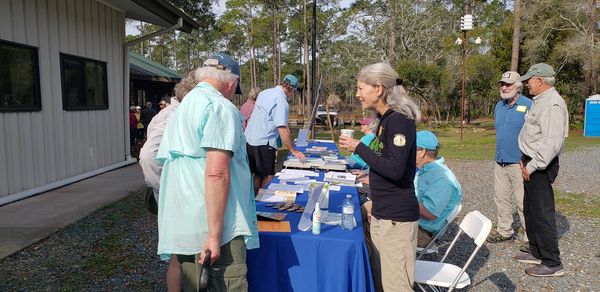
Again This Year So much is happening with Friends and the Refuges that the Welcome/Outreach trailer and information tables will be set up in the grassy area in front of the log cabin office building. Members and visitors can talk to board members and other volunteers about ongoing and planned projects and programs, discuss ideas for ways in which they'd like to participate, and learn more about:
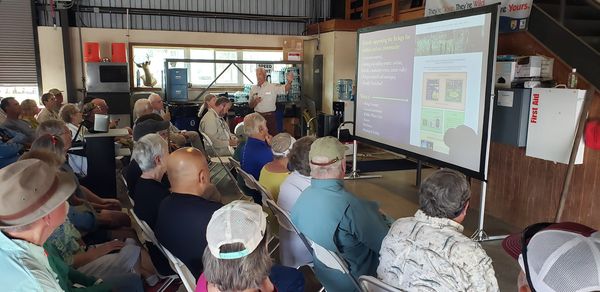 The formal program in the "shop" building will start at 10:15.
 After the Featured Presentation, while lunch is being set up and served, the information and discussion tables will be open again.
Lunch will be about noon. Ken McCain will cater. A vegetarian option will also be available. Afternoon Walk-to-Vista Exploration Options
Here is a link to the post about last year's Annual Meeting.
Our visitors at the Annual Meeting who will provide the demonstration about accessibility are Brandon Imhoff and Michael Dumas from the Unlimited State of Ability. Click on their names to read their bios.
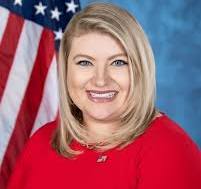
At her request, we met at the Refuge on February 8th when she planned to be in the area. We were pleased to have her enthusiastic and undivided attention. Cammack serves on the House Agriculture Committee, and several caucuses, including Law Enforcement, Forests, and the Sportsmen's. With her support, those connections could positively affect the needs of the Refuges. We discussed the fact that the Refuge staff oversees 53,000 acres on the Lower Suwannee with responsibilities including rebuilding forests, providing hydrologic improvements to clean water flow which impacts clamming, oystering, commercial and residential fishing. She was interested in the indigenous archaeological importance of Shell Mound and other areas within the Refuges. She was pleased and surprised to learn that our Refuges have about 250,000 visitors annually, who boost the economy of the region and enjoy the recreational opportunities the Refuges offer such as hunting, biking, hiking, bird and butterfly watching and nature walks.
The Congresswoman, who insisted we call her Kat, got right to the point, "What can I do? What do you want to happen?" We wanted two things:
We reported that our Refuges have gone from a staff of 14 to 5, losing both full-time and collateral-duty law enforcement officers. Public safety has become a major concern. Due to an injury of the one law enforcement officer the Refuges did have, we currently have zero. Without law enforcement to deter crimes including poaching, vandalism, and an increase in other undesirable behaviors, there is a risk of forced closures to the public, including for hunting. Notably, the Lower Suwannee NWR has more hunt days than any other refuge in the lower 48 states. The Advocacy Committee felt good about the Congresswoman's interest in our Refuges and particularly in our concern about the need for more law enforcement. We invited her and her staff to join us at the Annual Meeting. We will continue our conversations and are confident that she will have our desire for increased law enforcement on our Refuges front of mind as a significant concern for her constituents. 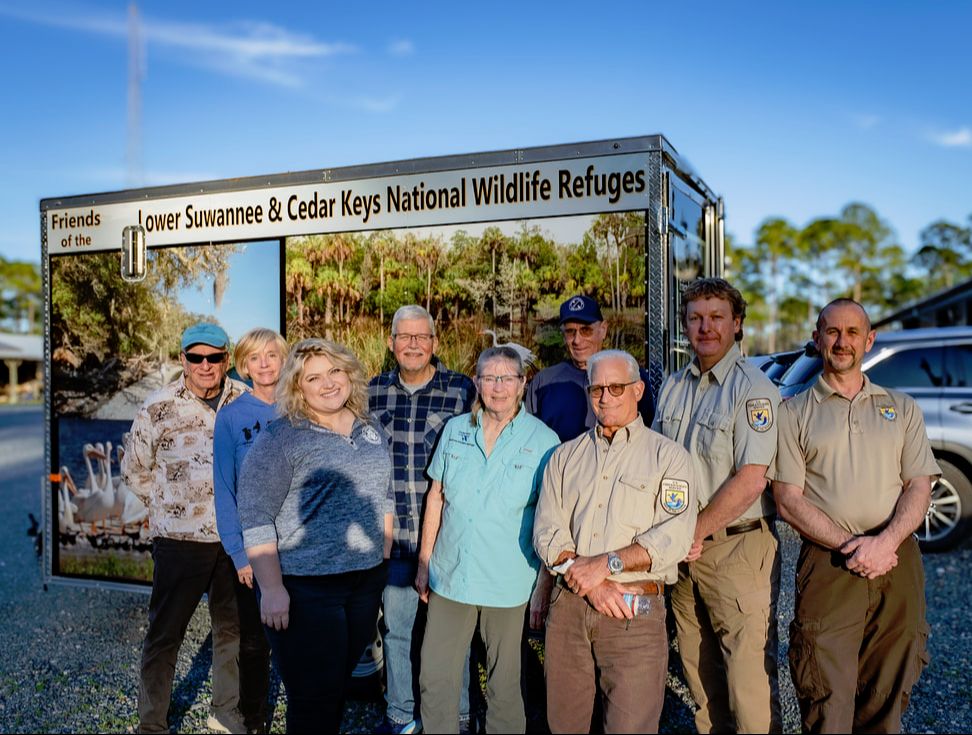 Welcoming Congresswoman Cammack to the Lower Suwannee & Cedar Keys NWRs
The granting agency, Florida Division of Historical Resources, has been reviewing Friends' plans for the Cook's House restoration and last week, they were approved! Window restoration started right away and a request for proposals for roof work and other repairs has gone out. Hooray! The window repair is being contributed as a Gift-in-Kind by Debbie Meeks, an expert in historical restoration as well as Friends" immediate past president extraordinaire. A few other Friends members with restoration skills will be working under her supervision to help with the 10 antique windows in the building. The Request for Proposals for the roof and miscellaneous work is on the homepage, as well as here. If you know any contractors who have the skills and might be interested in working on a meaningful project, please share the RFP with them.
On Friday, February 9th, several Friends and other supporters met at Vista to plan how to design our Vista Camp Pollinator garden, as envisioned by those who attended the recent retreat of the Friends' board of directors. We looked over the magnificent space we have at Vista for our garden and tried to imagine the best possible presentation to delight and inform Refuge visitors. Claudia Larsen, of Micanopy Wildflowers, is our expert botanist and mentor. She is working on a 25 x 25 foot lay-out for the garden now. The Friends can't wait to get our hands in the dirt and plant some plants. If you would like to be part of the work team, your participation would be much appreciated. We also need work time to build some picnic tables, chairs and fencing. And, we are wishing for donations to purchase native plants and the materials for the tables, chairs, and fences. When we know what we want and what they cost, we will add the specifics to the Wish List. With over 90 species of butterflies in the Refuge as well as all the moths, bees, and other pollinators, our garden will be full of different wonders every day. The picture, by Barbara Woodmansee, who is the Friends' Champion for this Vista Camp Pollinator Garden, is just to let everyone know that spring is here! Redbuds and plums are blooming and lunas are on the wing! Barbara will lead a Butterfly Walk on the Refuge on Saturday April 13. Save the Date. More information will be posted as the time nears. 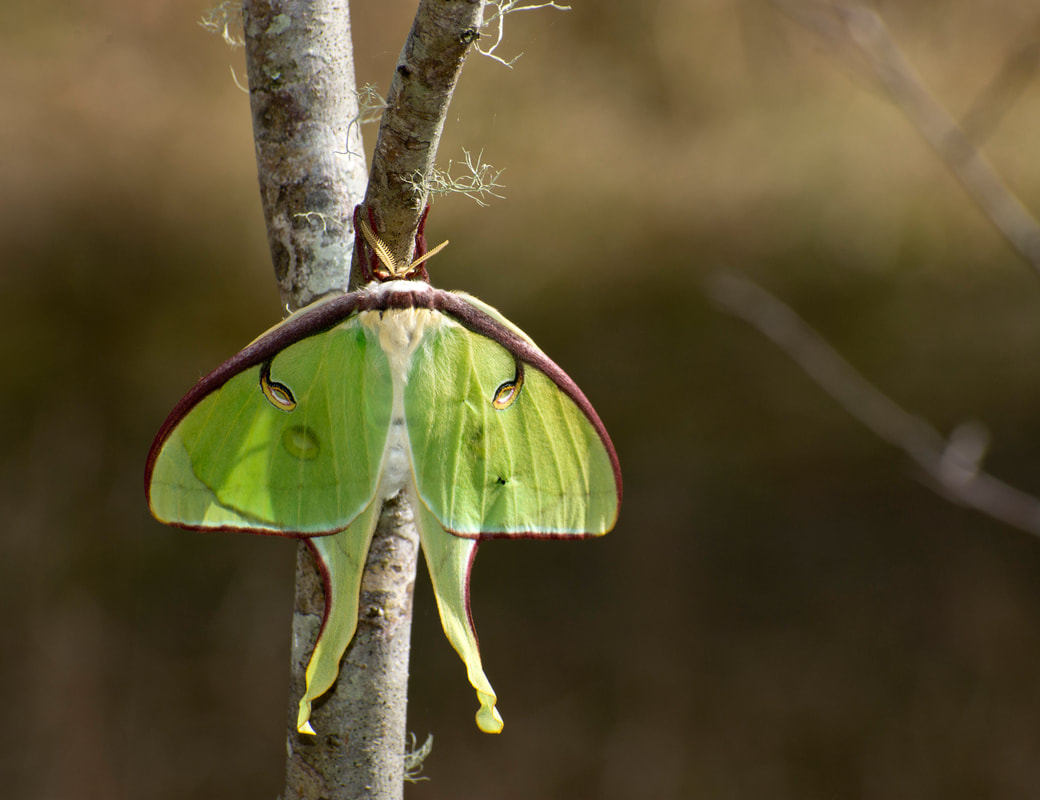 Luna moth by Barbara Woodmansee 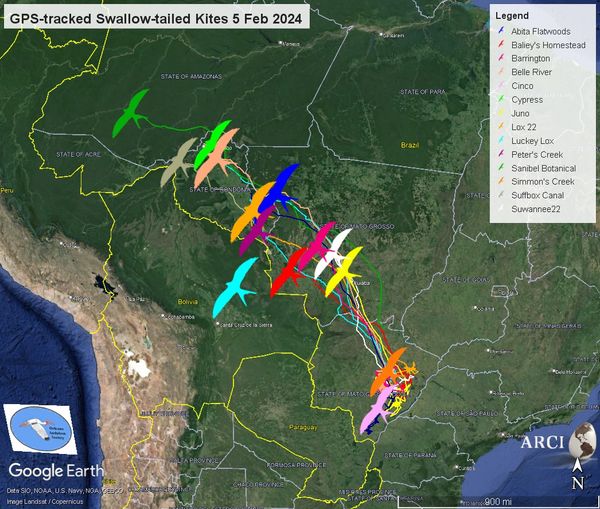 The researchers at the Avian Research and Conservation Institute named the kite whose tracker we helped sponsor Suwannee 22, because she was caught and fitted with her device in 2022. She is still calling home and is on her way back to the Lower Suwannee NWR from Brazil. Here is hoping for a successful nesting season!
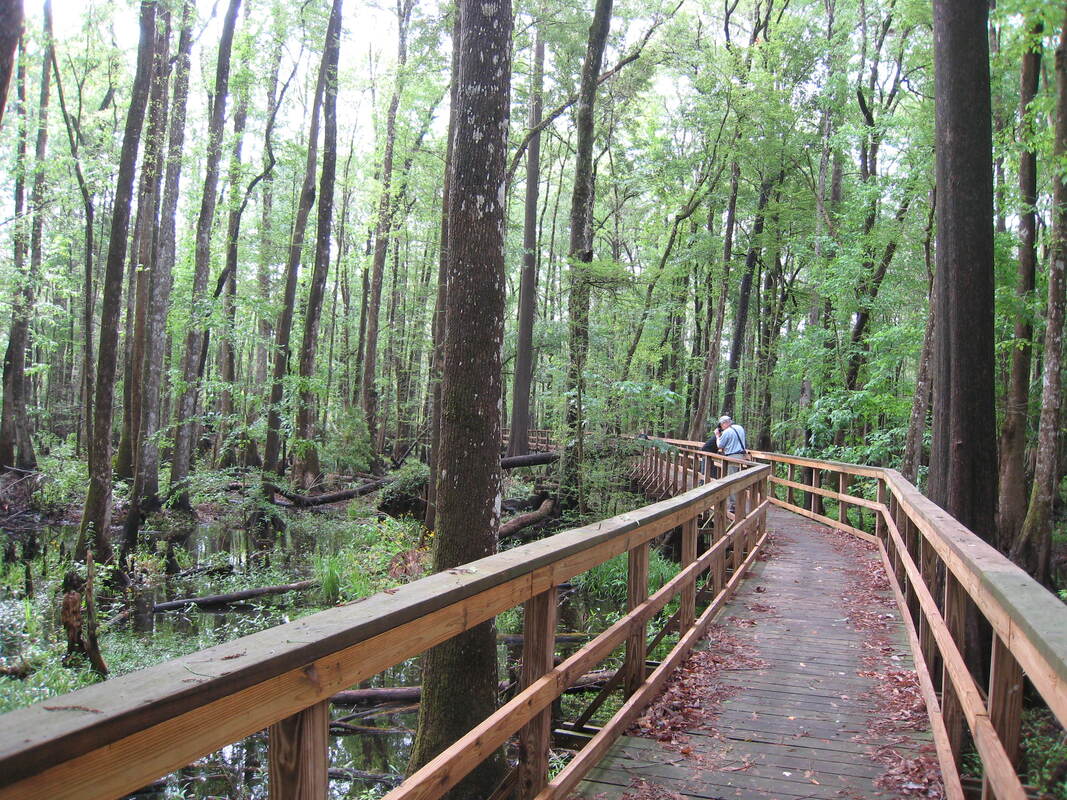
We all miss the River Trail so very much! It was one of the most popular places to walk in the Refuge, and the most accessible trail to see the Suwannee River, before Hurricane Idalia destroyed the boardwalks.
Refuge Manager Andrew Gude will need to apply for funds to rebuild the boardwalks from the regular maintenance funds within the National Wildlife Refuge System. He expects it will be years before our turn will come up in the queue. Friends are very impatient when it comes to our favorite points of Refuge access and helping visitors see and enjoy the River. With staff along to guide the discussion, board member John Thalacker studied the extensive damage to provide an assessment for Friends' possible action. It appeared that if a section about 35 feet long could be repaired, the boardwalk to the River overlook would be usable. 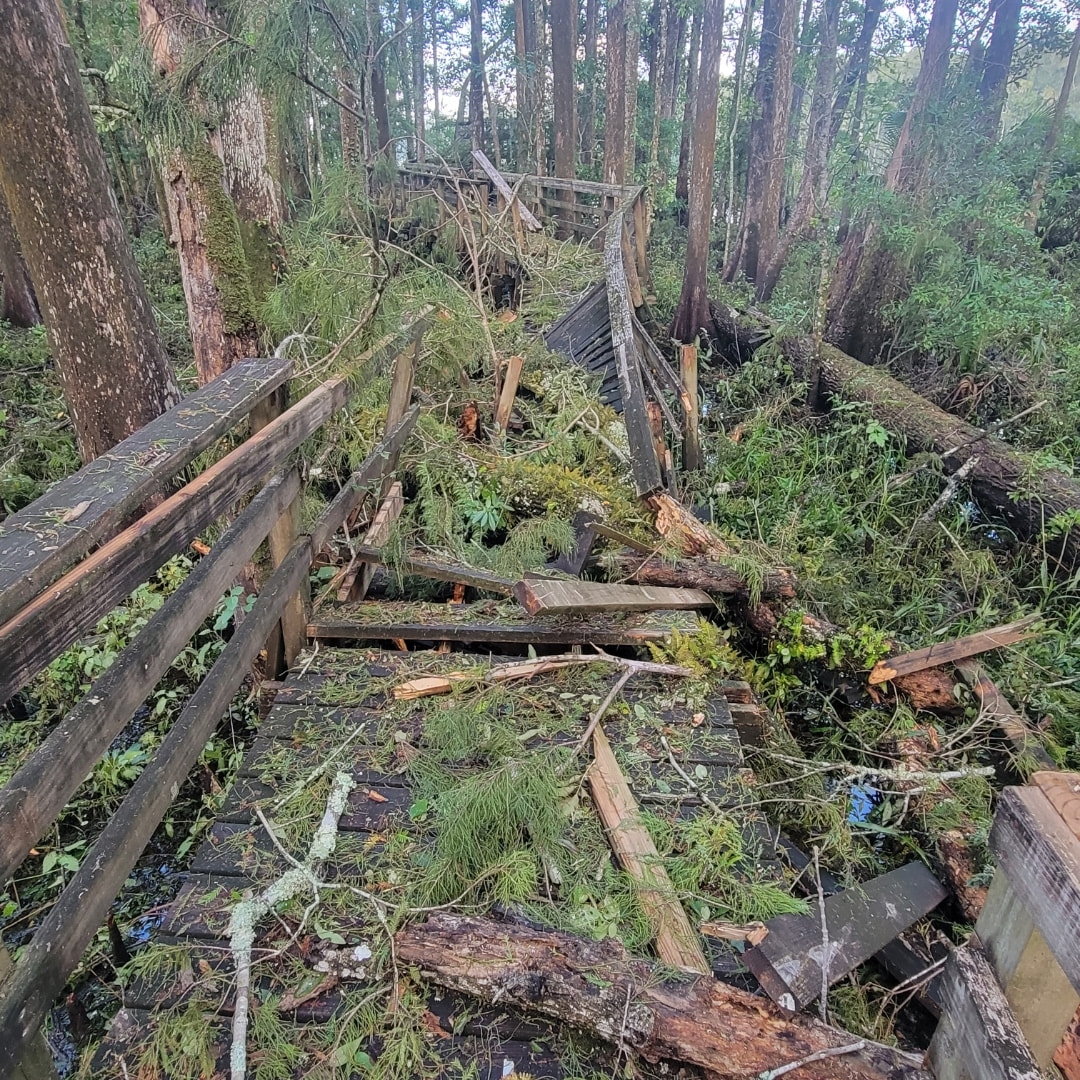 The boardwalk after Hurricane Idalia struck Refuge staff members tore out the most damaged section to get a clear view of the underpinnings and better assess the safety of the remaining sections. 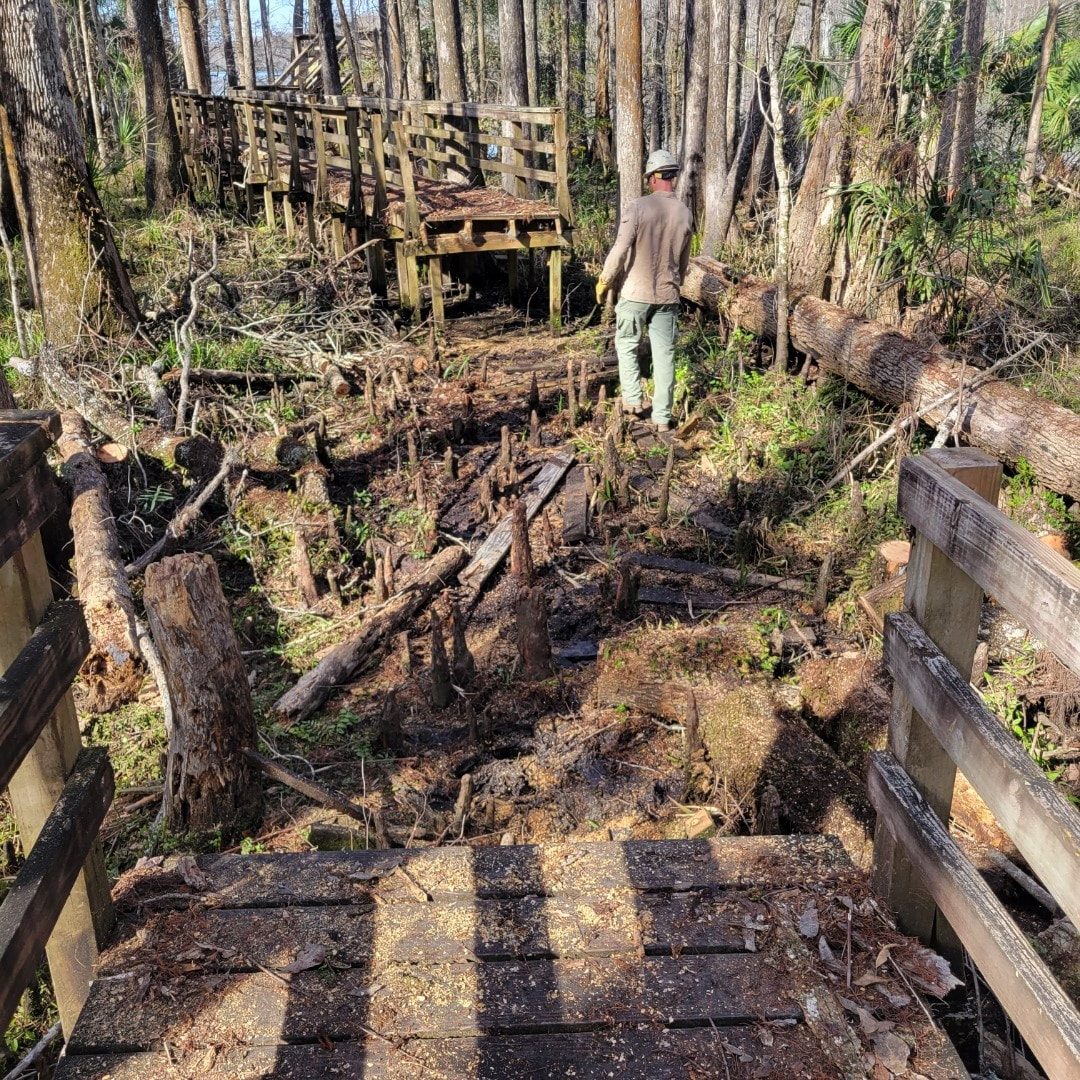 After the staff members removed the destroyed wood and debris from the section Friends hoped to repair. Unfortunately, the damage turned out to be much more extensive than originally thought. Many of the 4x4 posts are nearly rotted through, so it is not possible to replace one section. The whole thing has to come down and be rebuilt. 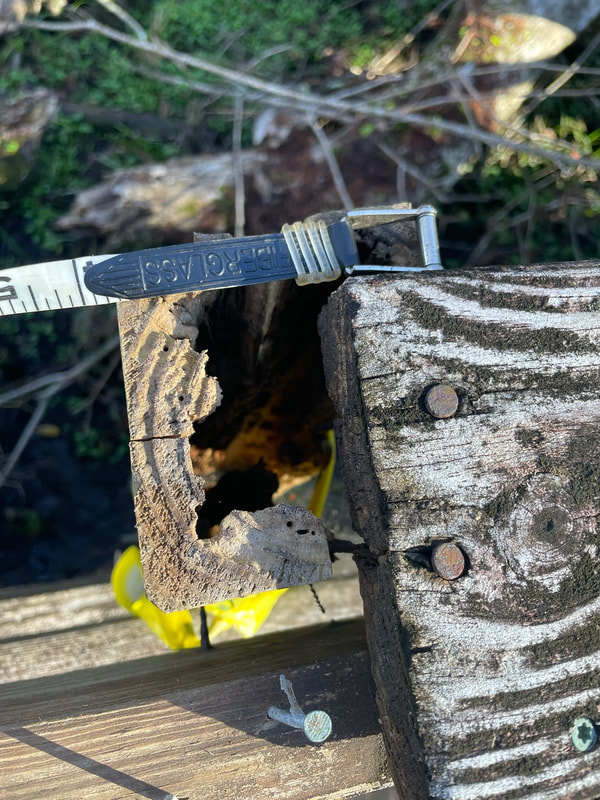 Looking down into a 4x4 upright that was hallowed out. Now, we are back to the early understanding that our River Trail will be closed for years. What next? We are trying to find a way.
Wishes continue to come true!
We would especially appreciate another partner or two helping with the demonstration at the Annual Meeting of equipment to make outdoor activities more accessibility to people with limited mobility. 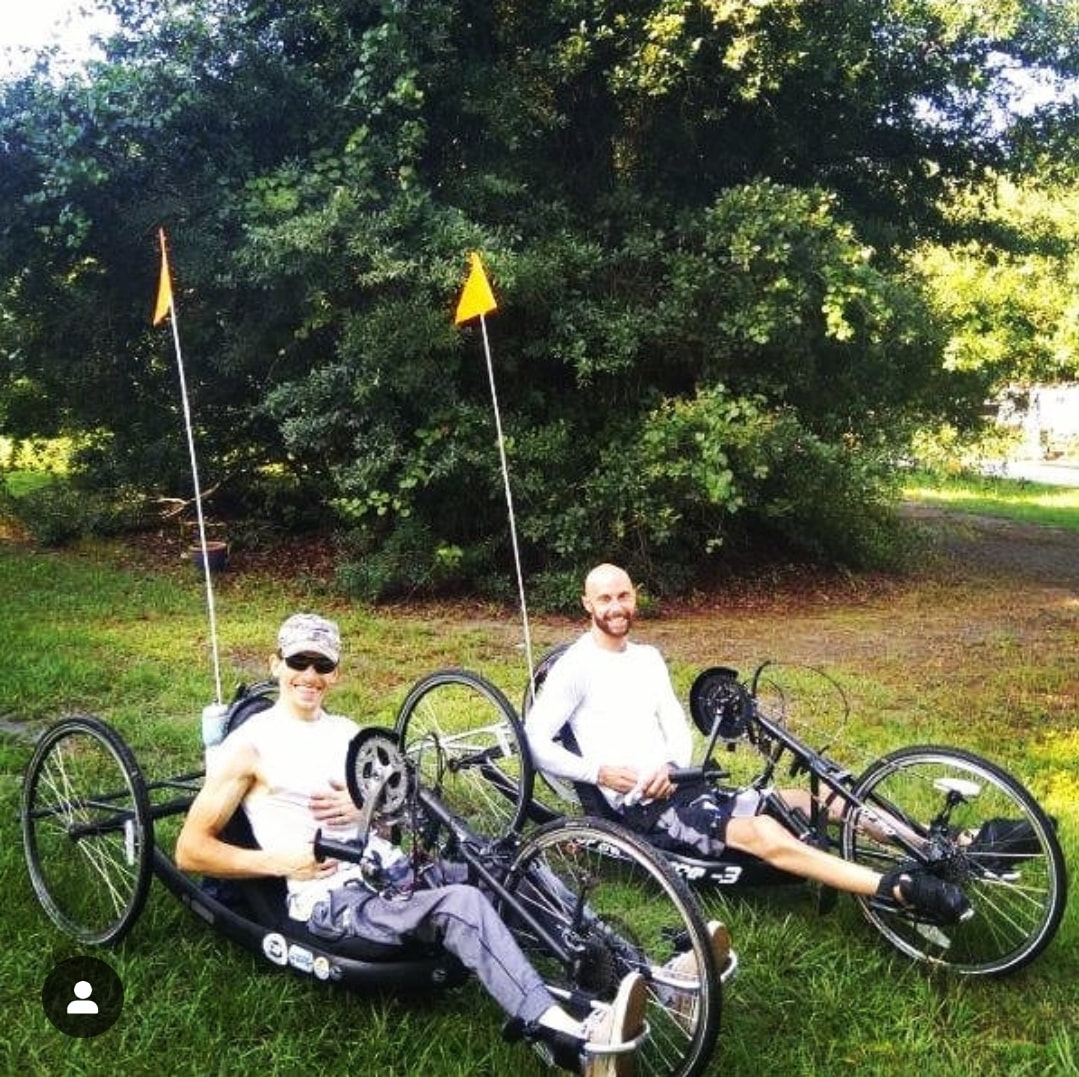 Brandon Imhoff and Michael Dumas and the equipmet they will demonstrate |


Friends of the Lower Suwannee & Cedar Keys National Wildlife Refuges
P. O. Box 532 Cedar Key, FL 32625 [email protected] We are a 501(c)(3) nonprofit organization. |
|